image
Anamorphic Neon Noir Cinematic Art Prompt for Midjourney
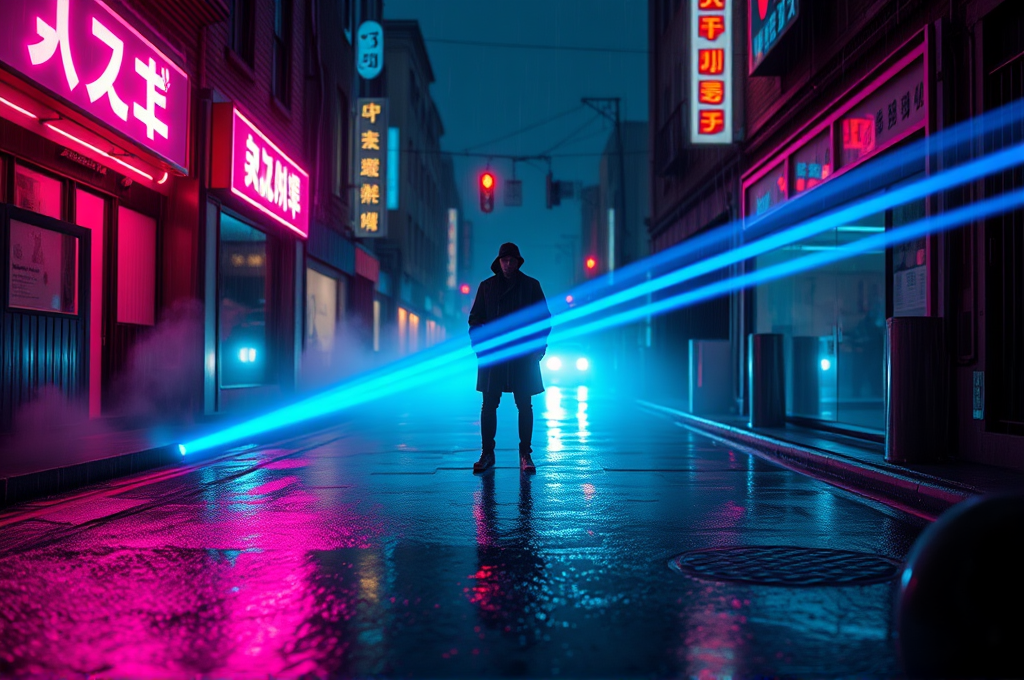
Concept artists, filmmakers, and album-cover designers use this prompt to generate cinematic neo-noir key art and mood boards without a physical film shoot. Content creators and thumbnail designers deploy it for atmospheric YouTube and streaming visuals that stop the scroll. The result is a moody, film-grade widescreen still with authentic anamorphic flares and neon reflections. It is ideal for pitching sci-fi projects, building visual style guides, or producing standalone digital art.
Output Sample
The Prompt
Cinematic wide-angle street scene shot on an anamorphic lens, rain-slicked asphalt reflecting a wall of buzzing neon signage in electric magenta, cyan, and deep amber. A lone figure in a wet trench coat stands mid-frame, silhouetted against volumetric fog rolling through a narrow alley in a near-future metropolis. Signature horizontal blue anamorphic lens flares streak across the frame, oval bokeh glowing in the background from distant traffic lights and hanging paper lanterns. Moody neo-noir atmosphere, high contrast chiaroscuro lighting, teal-and-orange color grade with crushed shadows and blooming highlights. Steam vents rising from manhole covers, puddles doubling every light source, subtle chromatic aberration at the edges. Film grain texture, shallow depth of field, subject in tack-sharp focus while the cityscape melts into dreamy bokeh. Cinematic composition following the rule of thirds, low camera angle emphasizing towering signage and cramped urban geometry. Mood: solitary, tense, atmospheric, cinematic thriller still. Rendered like a frame from a modern sci-fi noir film, reminiscent of Blade Runner meets Denis Villeneuve cinematography. Ultra-detailed reflections, realistic wet materials, glistening surfaces, ambient occlusion, ray-traced lighting. Emphasize the anamorphic 2.39:1 widescreen feel, letterbox cinematic framing, professional color science. --ar 21:9 --style raw --stylize 400 --chaos 12 --quality 2 --v 6.1. Optional variations: swap the trench-coat figure for a parked hover-car, a ramen vendor stall, or an empty crosswalk. Adjust neon palette to hot pink and lime, or icy blue and violet, to shift the emotional tone while preserving the anamorphic lens-flare signature.
How to use
- Copy the prompt above using the copy button
- Replace any [bracketed placeholders] with your details
- Paste into midjourney
- Adjust and iterate based on the result
Shared by
Sofia Marchetti
Senior UX designer at a Milan agency. I prototype with AI-generated UI mockups and use ChatGPT to run usability research synthesis. Believer that AI won't replace designers — bad designers will.
Works With
midjourney
Details
Categoryimage
AddedAug 18, 2026
Shared by
Sofia Marchetti
Senior UX designer at a Milan agency. I prototype with AI-generated UI mockups and use ChatGPT to run usability research synthesis. Believer that AI won't replace designers — bad designers will.
Ready to use this?
Copy and paste directly into your AI tool.
Browse by Tag
Community Reviews
You might also like
video
Cinematic AI Video Keyframe & Storyboard Generator Prompt
Filmmakers, indie creators, and video editors use this prompt to rapidly pre-visualize scenes and build storyboards before shooting or animating. Social media content creators generate consistent, eye-catching vertical keyframes for short-form video hooks. The result is a set of continuity-matched, cinematic frames that speed up production planning and elevate visual quality. It saves hours of manual sketching and helps pitch concepts to clients or collaborators.
Video generation prompt — hover to preview
dall-e
#cinematic#storyboard
Sofia Morales
video
Matchstick Ignition Macro Slow-Motion Video Prompt for Flux
Commercial videographers and content creators use this prompt to produce striking opener clips for ads, product launches, and social reels where tension and transformation are themes. Motion designers repurpose the ignition moment for logo reveals and title sequences. Stock video sellers generate premium macro assets without a high-speed camera rig. The result is a hypnotic, broadcast-quality slow-motion fire clip that grabs attention in the first second.
Video generation prompt — hover to preview
flux
#macro video#slow motion
Aiko Sato
Design
Gradient Mesh Poster Design Prompt for Midjourney
Graphic designers, brand strategists, and marketing teams use this prompt to generate eye-catching poster concepts for music festivals, product launches, and tech campaigns. It delivers polished, print-ready gradient mesh artwork in seconds, saving hours of manual vector work in Illustrator. Freelancers can rapidly pitch multiple color directions to clients, while agencies use it to prototype editorial layouts. The result is a modern, premium poster that feels both handcrafted and digitally fluid.
Create a striking maximalist gradient mesh poster design with smooth, flowing color transitions and organic fluid shapes. Compose a vertical A3 poster featuring an intricate mesh gradient that blends [electric coral, deep violet, cyan, and warm amber] in seamless waves across the canvas. Layer soft, blobby organic shapes that morph and overlap, creating depth through subtle transparency and multiply blending. Add a fine layer of film grain and analog noise texture over the entire composition to give it a tactile, printed feel. Incorporate bold, minimal sans-serif typography in the upper third and lower third — clean, geometric letterforms with generous kerning that contrast the soft gradients. The color palette should feel vibrant yet harmonious, with luminous highlights suggesting an inner glow. Include subtle iridescent color-shift zones where hues bleed into unexpected complementary tones. Emphasize a dreamy, atmospheric mood with a modern editorial aesthetic suitable for music festivals, tech branding, or contemporary art exhibitions. Balance negative space with dense areas of color activity to guide the viewer's eye. Render with crisp resolution, smooth anti-aliased edges on shapes, and rich saturation. Style references include Spotify Wrapped campaigns, Behance gradient trends, and Swiss-modernist layout principles fused with digital fluidity. Lighting should feel soft and diffused, as if backlit. Keep the overall look premium, gallery-ready, and print-optimized. --ar 2:3 --v 6.1 --style raw --stylize 350 --quality 2. For variations, swap the color palette to [teal and magenta], [sunset orange and pink], or [midnight blue and lime green] and adjust typography placement to explore alternate compositions.
midjourney
#gradient design#poster art
Owen Blackwood
Design
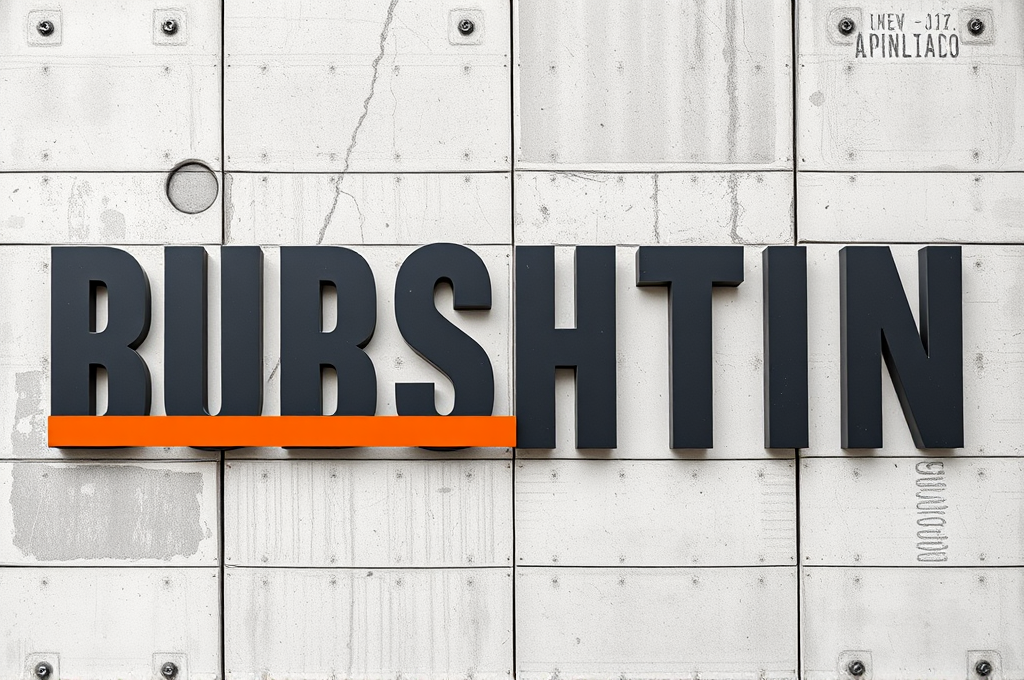
Brutalist Typography Poster Design Prompt for Midjourney
Graphic designers, art directors, and brand studios use this prompt to generate striking poster concepts for exhibitions, music events, editorial spreads, and design portfolios. It delivers a bold, gallery-ready brutalist aesthetic that instantly communicates a modern, confident visual identity. Marketers can adapt it for launch announcements and social campaigns that need to stand out. The result is a versatile, print-quality typographic poster that feels both raw and refined.
Design a bold brutalist typography poster that fuses raw architectural energy with experimental type composition. Center the layout around massive oversized sans-serif lettering rendered in a heavy grotesque typeface, letters cropped and bleeding off the edges of the frame for dramatic tension. Set the type against a background of raw exposed concrete, showing subtle surface imperfections, form-tie holes, wood-grain board-marks, and faint water staining for authentic material texture. Use a strict grid-based layout with intentional asymmetry, harsh alignment, and generous negative space that lets the type breathe while feeling monumental. Apply a restrained monochrome palette of cool concrete greys, off-white, and deep charcoal, punctuated by a single high-impact accent color such as safety orange or cadmium red for a functional signage feel. Layer secondary typographic elements: small mono-spaced captions, rotated vertical text, ruled dividing lines, registration marks, and numeric annotations to evoke a technical, architectural-document aesthetic. Incorporate subtle print artifacts — slight ink misregistration, paper grain, and matte finish — for a tactile editorial quality. Lighting should be flat and even like a scanned print, keeping the concrete texture crisp and legible. The overall mood is austere, confident, and design-forward, referencing Swiss International Style and Soviet modernist signage reinterpreted through contemporary graphic design. Ensure the composition works as both a wall poster and a scroll-stopping social graphic. --ar 2:3 --style raw --stylize 250 --v 6.1 --quality 2. Adjust the accent color, headline word, and grid density to fit your brand or event. Keep type as the dominant hero element and let the concrete backdrop reinforce weight and permanence.
midjourney
#brutalist design#typography poster
Diego Ramirez