art
Glowing Botanical X-Ray Fruit Cross-Section Art for SD
Digital artists, science communicators, and botanical illustrators use this prompt to create striking educational and decorative imagery. Food brands and wellness companies leverage it for premium packaging, posters, and social media content. Interior designers print these as gallery-style wall art for modern kitchens and labs. The result is a luminous, scientifically-inspired artwork that balances aesthetic drama with anatomical accuracy.
Output Sample
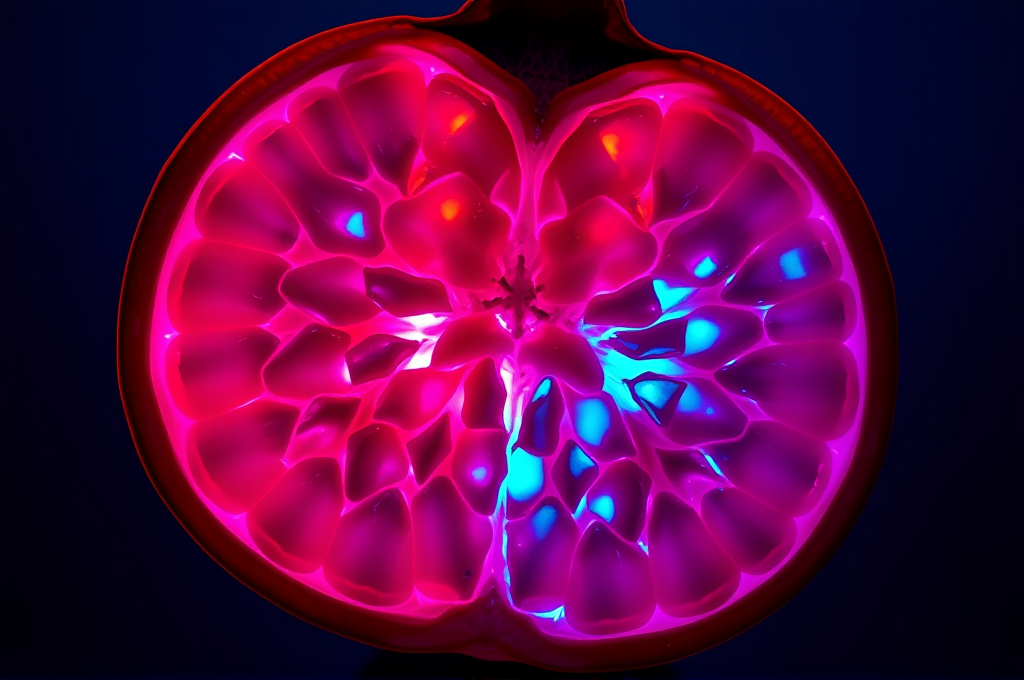
The Prompt
A hyper-detailed botanical X-ray cross-section of a ripe pomegranate, sliced perfectly in half to reveal translucent, glowing seed chambers. Each individual aril shimmers with internal luminescence, casting soft radiant light through the membrane walls. The entire fruit appears rendered in an ethereal X-ray style: bones-of-botany aesthetic, where cellular structures, veins, and fibrous strands are visible like intricate biological circuitry. Deep indigo and midnight-black background to maximize contrast against the neon-magenta, amber, and bioluminescent-teal internal glow. Render as scientific illustration meets fine art, combining the precision of a botanical textbook plate with the dramatic lighting of modern digital art. Composition: centered subject, macro focus, symmetrical cut, shallow depth of field with crisp edge definition. Lighting: internal subsurface scattering, backlit translucency, volumetric glow emanating from within the fruit, subtle rim light tracing the outer skin. Texture: show micro-details — seed clusters, fibrous pith, delicate juice vesicles, cellular membranes with semi-transparent layering. Color palette: electric magenta, radioactive amber, emerald bioluminescence, deep violet shadows. Style influences: medical X-ray imaging, Ernst Haeckel botanical plates, cyberpunk neon, scientific infographic clarity. Add faint anatomical annotation lines and measurement ticks for an authentic scientific-diagram feel, kept minimal and elegant. Ultra-sharp, 8K resolution, hyperrealistic rendering. Technical parameters: Steps: 35, Sampler: DPM++ 2M Karras, CFG scale: 7.5, Resolution: 1024x1024 (or 832x1216 portrait), Seed: random, Model: SDXL 1.0 or Juggernaut XL. Negative prompt: blurry, low-contrast, flat lighting, washed out colors, cartoonish, oversaturated noise, watermark, text artifacts, dull background, distorted anatomy, extra fruit, cluttered composition.
How to use
- Copy the prompt above using the copy button
- Replace any [bracketed placeholders] with your details
- Paste into stable-diffusion
- Adjust and iterate based on the result
Shared by
Leila Ahmadi
Tehran-based graphic designer in exile creating typographic art with AI tools. Expression through prompts.
Works With
stable-diffusion
Details
Categoryart
AddedOct 11, 2026
Shared by
Leila Ahmadi
Tehran-based graphic designer in exile creating typographic art with AI tools. Expression through prompts.
Ready to use this?
Copy and paste directly into your AI tool.
Community Reviews
You might also like
art
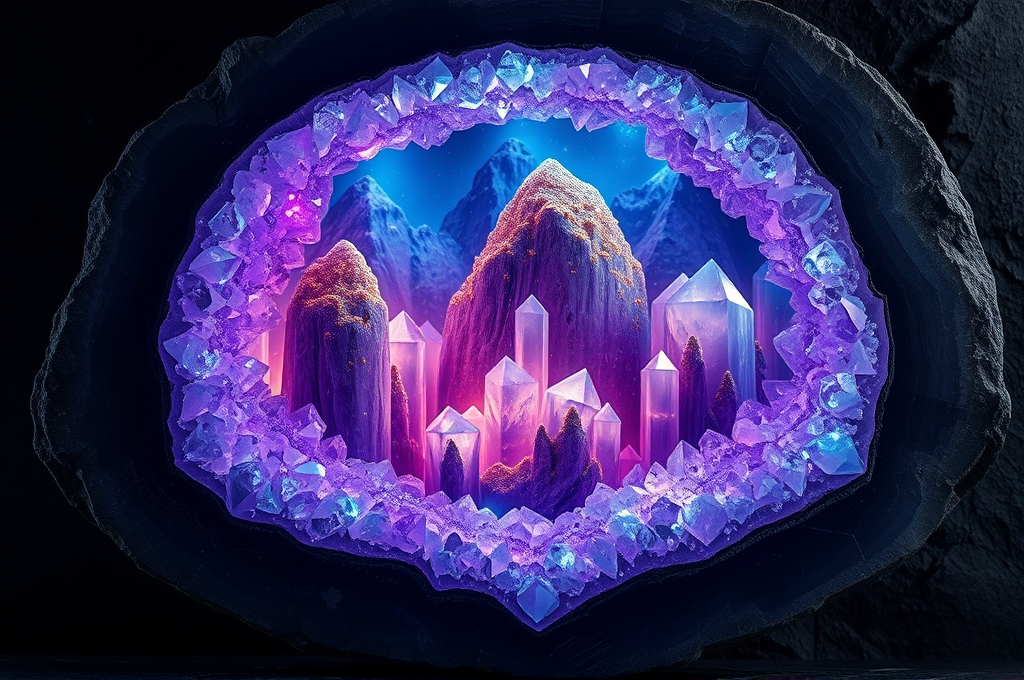
Crystal Geode Fantasy Landscape Art Prompt for Leonardo
Digital artists, fantasy illustrators, and concept designers use this prompt to create eye-catching surreal landscapes for prints, book covers, and album art. Meditation apps and wellness brands leverage the mystical crystal aesthetic for calming visuals and backgrounds. Content creators and NFT artists generate unique jewel-toned pieces that stand out on social feeds. The result is a magical, high-detail image that blends geology with fantasy worldbuilding.
Create a hyper-detailed macro fantasy artwork depicting the cross-section of a massive amethyst geode that reveals an entire surreal landscape hidden within its crystalline cavity. The rough, earthy outer shell of the geode frames the scene like a natural rock window, with mineral veins and rugged stone textures contrasting against the dazzling interior. Inside, towering amethyst and quartz crystals rise like translucent mountains, catching and refracting light into prismatic rainbows across the cavern walls. Nestle a tiny glowing fantasy world within: bioluminescent pools of liquid mineral, miniature crystal forests, and soft drifting mist that catches shafts of volumetric light. Use a rich jewel-toned palette of deep purples, violets, soft pinks, and icy blues, accented with golden druzy sparkle along the crystal edges. Light should feel internal and magical, as if the crystals themselves emit a gentle glow, creating dramatic chiaroscuro and luminous highlights. Render with photorealistic mineral textures, intricate refractions, caustic light scattering, and ultra-sharp crystalline facets. Compose the image with the geode centered, using a shallow depth of field that keeps the inner landscape in crisp focus while softly blurring the stone edges. The mood should be mystical, serene, and otherworldly, blending natural geology with dreamlike fantasy. Emphasize depth, scale, and the sense of discovering a secret universe inside a rock. Style: cinematic concept art meets macro photography, highly detailed, 8K resolution. Technical params: aspect ratio 3:2, Leonardo Phoenix or Lucid Realism model, guidance scale 7, generation quality high, Alchemy on, contrast high, PromptMagic v3 enabled, 1536x1024, negative prompt: blurry, flat lighting, dull colors, low detail, distorted facets, oversaturated noise.
leonardo
#crystal geode#fantasy landscape
Priya Patel
art
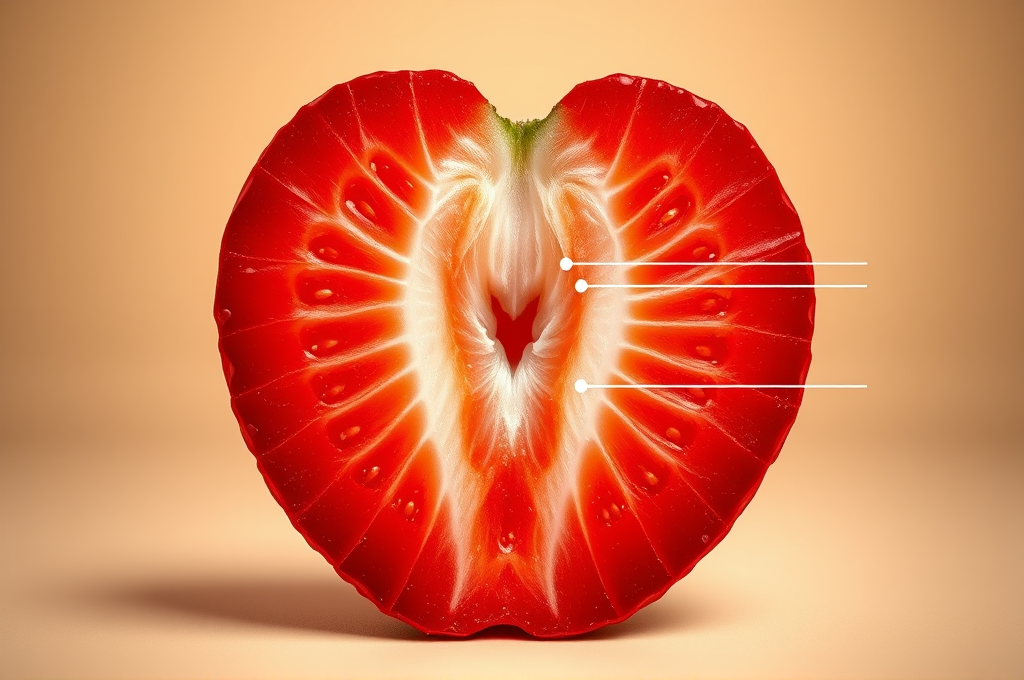
Cutaway Cross-Section Object Art Prompt for DALL-E
Educators, science communicators, and infographic designers use this to create engaging visual explainers that make complex internal structures instantly understandable. Content creators and social media brands use it for scroll-stopping 'how it works' posts. Product marketers adapt it to showcase the hidden engineering inside gadgets. The result is a polished, museum-grade cutaway image that feels both scientifically credible and artistically striking.
Create a hyper-detailed cross-section cutaway illustration of [SUBJECT — e.g., a ripe strawberry, a vintage camera, a snail shell, or a mountain]. Slice the object cleanly in half to reveal its entire hidden interior architecture in a single frame. Render every internal layer with anatomical precision: seeds, chambers, gears, veins, sediment strata, pulp, wiring, or cellular structures — whatever is authentic to the subject. Use a clean studio composition with the sliced object centered against a soft neutral gradient background (warm cream or cool slate). Lighting should be bright, even, and diffused like a scientific product shot, with gentle soft shadows anchoring the object to the surface. Emphasize tactile realism: glistening moisture on organic interiors, brushed-metal sheen on mechanical parts, matte grain on mineral cross-sections. Add subtle thin annotation lines with tiny minimalist labels pointing to 3–5 key internal features, styled like a premium infographic or a museum diagram. Color palette should be rich and naturalistic yet slightly heightened for visual pop. The overall aesthetic blends vintage encyclopedia illustration with modern 3D-render polish — crisp edges, believable material physics, and immaculate detail. Ensure the cutaway plane looks freshly cut, showing depth and dimensionality rather than a flat sticker. Frame the composition with generous negative space for a clean, editorial feel. Style: hyperrealistic educational illustration meets fine-art still life. Aspect ratio 1:1, ultra-high resolution, sharp focus throughout, professional color grading, no text distortion, photorealistic material rendering, gallery-quality finish.
dall-e
#cutaway#cross-section
Hayden Liu
art
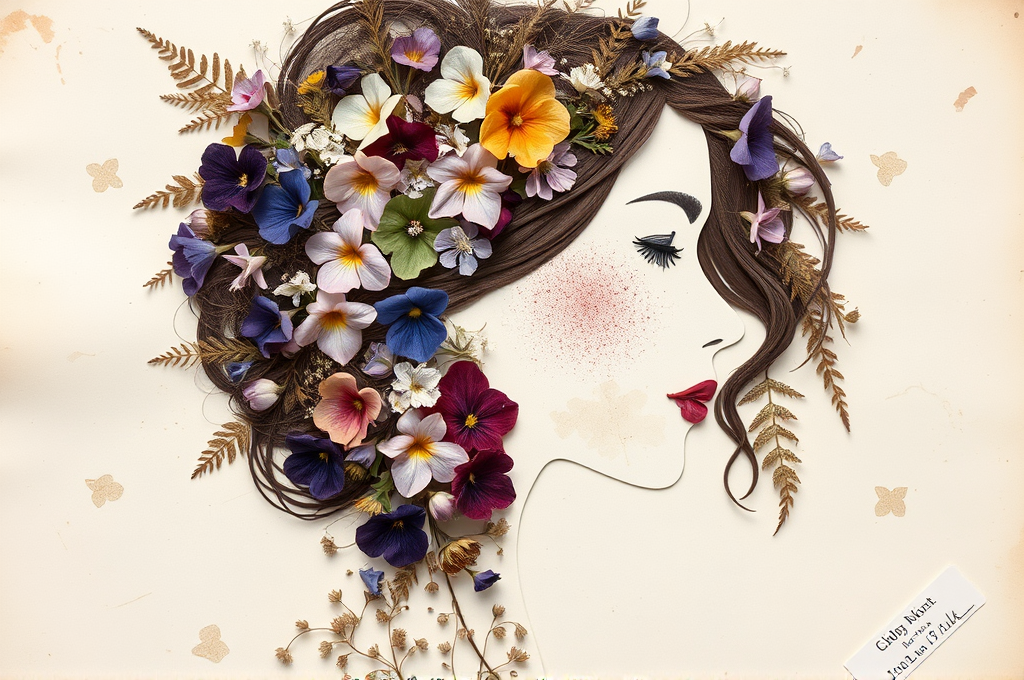
Pressed Flower Herbarium Portrait Art Prompt Firefly
Graphic designers and print-on-demand sellers use this prompt to create romantic wall art, greeting cards, and wedding stationery with a nature-inspired, vintage feel. Florists and boutique brands can generate elegant marketing visuals and packaging that evoke craftsmanship and natural beauty. Content creators and Etsy shop owners get a distinctive aesthetic that stands out in the crowded botanical art niche. The result is a delicate, gallery-worthy portrait that blends fine art with natural history charm.
Create a stunning botanical portrait rendered entirely from pressed and dried flowers, in the style of a vintage herbarium specimen page. Compose the profile silhouette of a woman's face and flowing hair using an intricate arrangement of pressed botanicals: delicate pansies and violas form the cheeks and lips, translucent honesty seed pods and pressed ferns shape the flowing hair, dried baby's breath scatters like freckles, and thin skeleton leaves define the jawline and neck. The petals should appear genuinely flattened and slightly translucent, with visible veining, subtle browning at the edges, and the fragile papery texture of botanicals preserved between glass for decades. Lay the entire composition on aged ivory herbarium paper with a soft cream-to-sepia gradient, faint water stains, and delicate deckled edges. Add subtle hand-written botanical labels in faded brown ink, a small pressed specimen tag in the corner, and a light grid of archival mounting stitches. Lighting should be soft, diffused, and even, like a flatbed scan or overhead studio softbox, casting almost no shadow to emphasize the pressed, two-dimensional quality. Color palette: muted dusty rose, sage green, lavender, ochre, and sepia tones with occasional pops of preserved cobalt blue delphinium. The overall mood is nostalgic, scientific, delicate, and romantic — a fusion of natural history archive and fine-art portraiture. Ultra-detailed macro clarity on petal texture and fibers. Aspect ratio 4:5, high resolution, photorealistic botanical rendering with authentic dried-flower materiality. Style reference: vintage herbarium, botanical illustration, pressed flower art, museum specimen archive.
firefly
#pressed flowers#herbarium art
Aisha Okafor
art
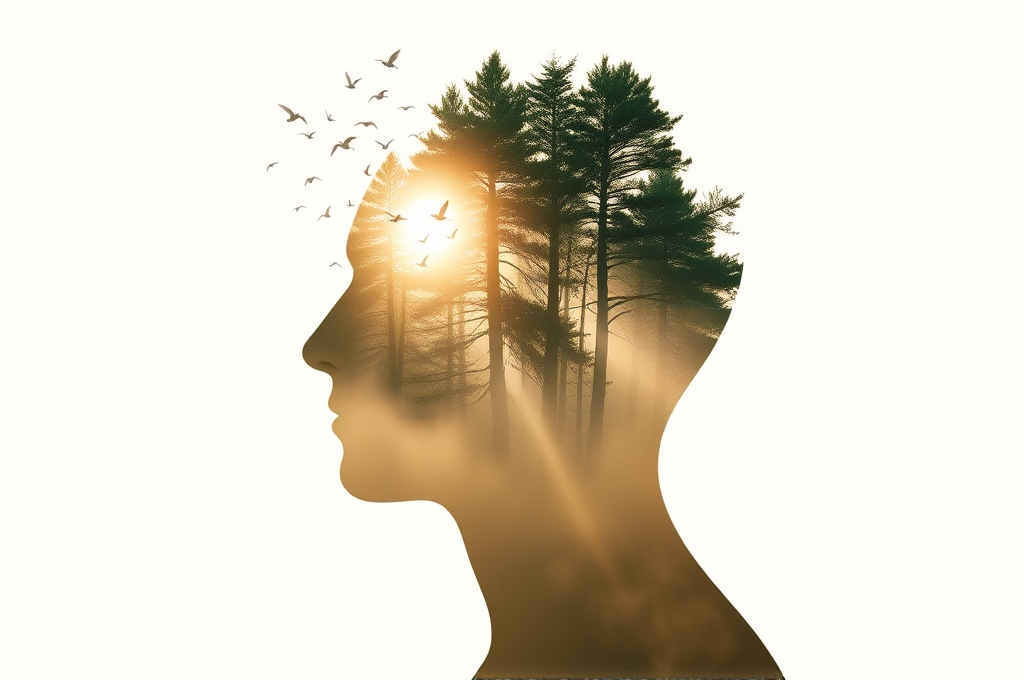
Double Exposure Silhouette Portrait Art Prompt Firefly
Graphic designers, album cover artists, and editorial illustrators use this to produce evocative, gallery-quality portraits without a photo studio. Content creators apply it for moody social media visuals, poetry graphics, and mental-health or nature-themed campaigns. The result is a polished, emotionally resonant double-exposure image that reads as premium fine art. It works beautifully for print, book covers, and branded storytelling.
Create a striking double-exposure portrait that merges a human silhouette with an immersive natural landscape contained entirely within the profile. Compose a clean side-profile bust of a person against a bright, minimal off-white background. Fill the interior of the silhouette with a richly detailed scene: a misty pine forest at golden hour, rolling fog drifting between the trees, a flock of birds ascending toward the top of the head, and a soft river of light threading through the lower jaw and neck. Blend the two layers seamlessly so the landscape appears painted inside the skin, with edges of trees dissolving softly into the surrounding negative space. Use a muted, cinematic color palette of deep teal, amber, forest green, and warm cream, with delicate light leaks and atmospheric haze. Emphasize fine texture in the foliage and grain in the shadows for a tactile, film-photography feel. Keep the outer contour of the face crisp and recognizable while the internal imagery remains dreamlike and layered. Add subtle depth with overlapping semi-transparent planes, gentle gradient transitions, and a faint vignette to draw the eye inward. The overall mood should feel contemplative, poetic, and surreal, evoking themes of memory, nature, and inner worlds. Balance high contrast between the silhouette and background with soft interior lighting. Composition: centered profile, ample breathing room, gallery-ready framing. Style: fine-art double exposure, editorial photography inspiration, painterly blending. Technical params: aspect ratio 4:5, resolution 4K, content type Art, high detail, style intensity 80, visual reference strength medium, sharp focus, cinematic lighting, subtle film grain.
firefly
#double exposure#silhouette portrait
Pita Tuilagi