design
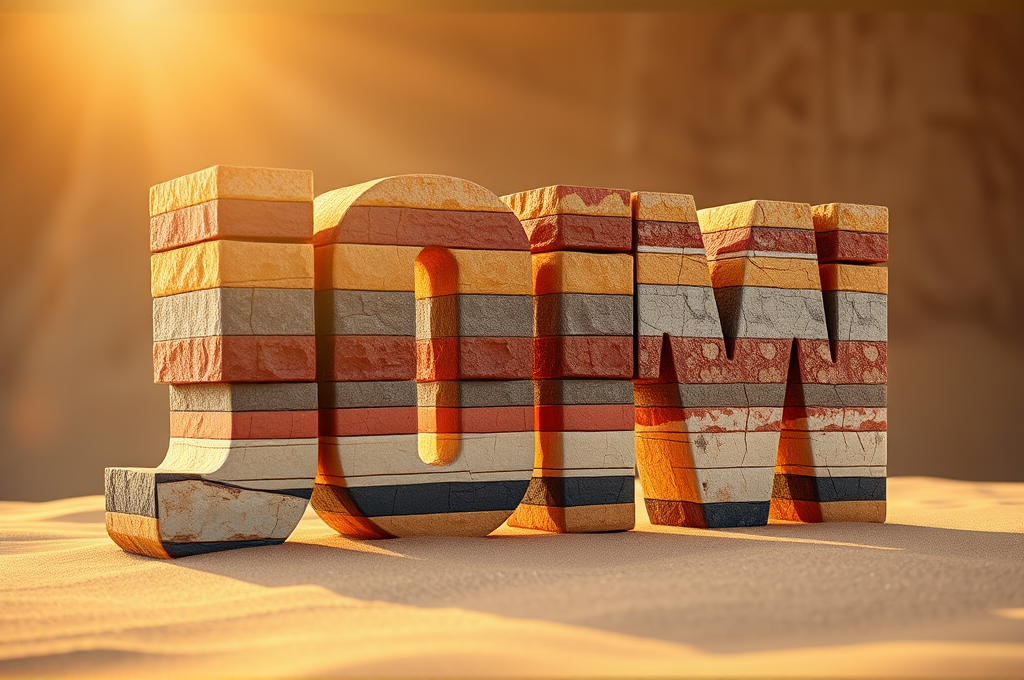
Layered Rock Strata 3D Typography Design for DALL-E
Graphic designers and brand studios use this prompt to create striking hero visuals for eco-conscious, outdoor, or geology-themed brands. Marketers can generate eye-catching poster headlines, packaging accents, and social media banners with a premium natural-materials feel. Educators and science communicators use it for engaging museum or documentary title cards. The result is a tactile, monumental lettering design that conveys permanence, authenticity, and earthy sophistication.
Output Sample
The Prompt
Create a photorealistic 3D typography design where each letter is sculpted from stacked geological rock strata, resembling a cross-section of an ancient cliff or canyon wall. Render the word 'EARTH' (or custom text) as bold, chunky three-dimensional letterforms built from dozens of horizontal sedimentary layers. Each stratum should display distinct natural materials: bands of ochre sandstone, deep rust-red iron oxide, pale limestone cream, charcoal shale, and thin veins of sparkling quartz and copper mineral deposits. Show realistic erosion along the letter edges, crumbling grains, fine cracks, and weathered textures that reveal the raw geology. Include subtle fossil imprints and tiny embedded crystals catching the light within the layers. Position the letters standing upright on a neutral desert-sand surface with soft wind-blown dust around the base. Use dramatic warm directional lighting — golden hour sun raking across the strata from the upper left to accentuate every ridge, groove, and color band, casting long soft shadows. Background: a softly blurred clay-toned gradient studio backdrop, slightly out of focus to keep attention on the typography. Shoot from a slight low angle for monumental scale, as if photographing towering canyon formations. Emphasize tactile depth: visible layer thickness, porous stone surfaces, and realistic ambient occlusion between strata. Color palette: terracotta, amber, sienna, bone white, and slate gray with metallic mineral accents. Mood: ancient, grounded, premium, natural. Technical params: ultra-detailed 8K render, macro-sharp textures, photorealistic materials, shallow depth of field f/4, 50mm lens perspective, cinematic earth-tone color grading, aspect ratio 16:9, high dynamic range, physically based rendering.
How to use
- Copy the prompt above using the copy button
- Replace any [bracketed placeholders] with your details
- Paste into dall-e
- Adjust and iterate based on the result
Shared by
Sofia Marchetti
Senior UX designer at a Milan agency. I prototype with AI-generated UI mockups and use ChatGPT to run usability research synthesis. Believer that AI won't replace designers — bad designers will.
Works With
dall-e
Details
Categorydesign
AddedNov 12, 2026
Shared by
Sofia Marchetti
Senior UX designer at a Milan agency. I prototype with AI-generated UI mockups and use ChatGPT to run usability research synthesis. Believer that AI won't replace designers — bad designers will.
Ready to use this?
Copy and paste directly into your AI tool.
Community Reviews
You might also like
Design
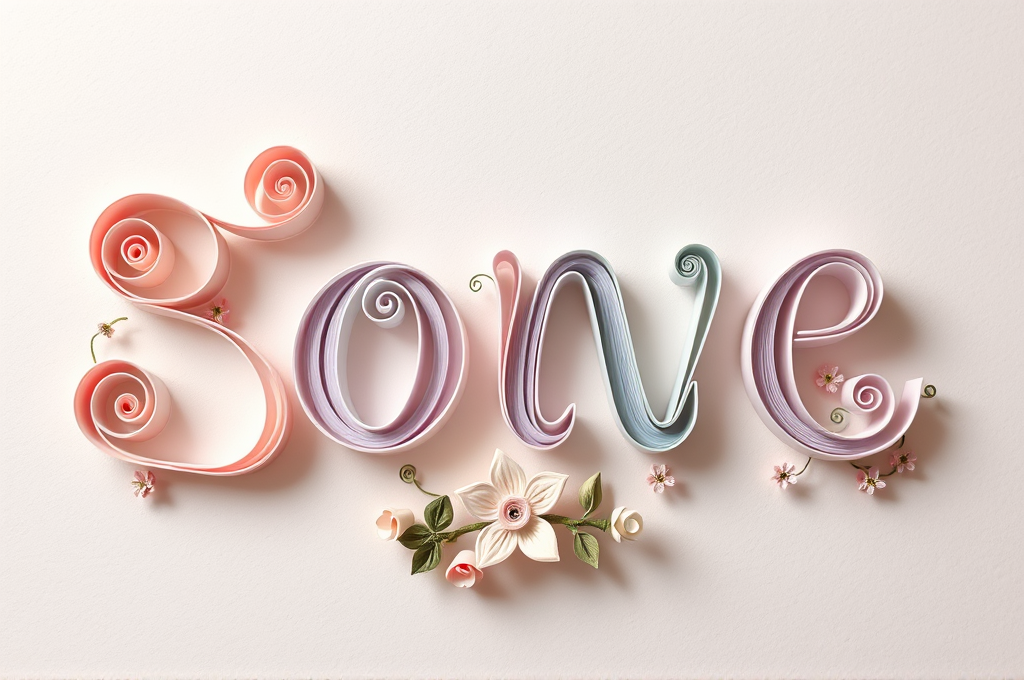
Paper Quilling 3D Typography Design Prompt for SD
Graphic designers, greeting-card makers, and craft brands use this prompt to generate elegant handmade-style lettering for invitations, packaging, and social media headers without physically quilling anything. Scrapbookers and Etsy sellers can mock up product concepts and seasonal designs quickly. The result is warm, tactile, artisanal typography ideal for weddings, baby announcements, and boutique branding. It delivers a premium craft aesthetic that reads instantly as handmade and delicate.
Create an ultra-detailed, photorealistic typographic composition where every letter is sculpted entirely from intricate paper quilling. Render the word "BLOOM" (or user's chosen word) as dimensional 3D lettering built from thin rolled and coiled paper strips standing on edge, forming spirals, teardrops, scrolls, and tight swirls that fill each letterform. Use a soft pastel palette of blush pink, sage green, buttercream yellow, and lavender, with subtle gradient transitions between adjacent quilled coils. The paper strips should show realistic thickness, crisp folded edges, and the delicate shadows cast between individual curls, conveying authentic handmade craftsmanship. Set the typography on a clean, textured off-white cardstock background with gentle paper grain. Lighting is soft, diffused studio light from the upper left, producing tender drop shadows beneath each letter and fine specular highlights along the glossy edges of the paper. Compose the letters centered with balanced negative space, shot from a slight three-quarter top-down angle to emphasize the dimensional depth of the standing paper strips. Include tiny decorative quilled flowers, leaves, and tendrils weaving around the base of the letters for an organic, botanical accent. Everything should feel tactile, cozy, and meticulously handcrafted, like a premium greeting-card cover. Emphasize micro-detail: visible paper fibers, feathered strip ends, layered overlapping coils, and realistic depth of field with the foreground sharp and background subtly soft. Professional product photography quality, high resolution, crisp focus on the quilling texture. Negative prompt: flat, 2D, blurry text, distorted letters, plastic look, extra fingers, watermark, low detail, messy, oversaturated, broken paper, smudged.
stable-diffusion
#paper quilling#3d typography
Sana Habib
Design
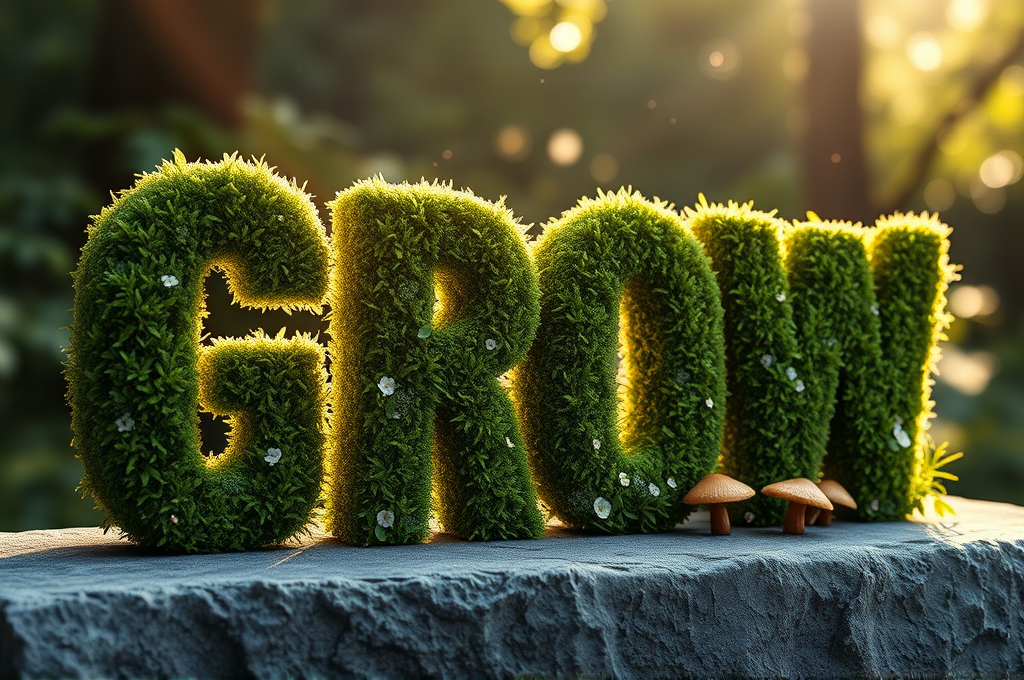
Overgrown Moss Nature Typography Design Prompt for Leonardo
Eco-conscious brands, botanical shops, wellness studios, and sustainability campaigns use this prompt to create organic, nature-driven logo art and hero graphics. Graphic designers generate striking header images for eco-product packaging, event posters, and social media. The result is a lush, tactile lettering piece that communicates growth, renewal, and environmental connection. It's ideal for spring campaigns, Earth Day visuals, and natural cosmetics branding.
Create a hyper-detailed design featuring the word 'GROW' (or user's chosen word) rendered as three-dimensional typography entirely formed from lush living moss, delicate lichen, tiny ferns, and clover, growing organically on a weathered grey stone backdrop. Each letter should appear sculpted from dense, velvety green moss with varied tones ranging from deep emerald and forest green to soft sage and golden-yellow highlights where light filters through. Incorporate subtle details: morning dew droplets clinging to the moss fibers, a few miniature white flowers and mushrooms sprouting from the letterforms, thin tendrils of ivy wrapping around the edges, and small patches of pale grey-green lichen creeping across the stone. The letters cast soft, realistic shadows onto the mottled stone surface below. Use cinematic volumetric lighting streaming from the upper left, creating a gentle god-ray effect that illuminates floating dust and pollen particles. Composition should be centered with generous negative space, shot from a slight three-quarter angle to emphasize depth and the three-dimensional botanical texture. The overall mood is serene, earthy, and enchanting — evoking a hidden forest floor after rain. Color palette: rich greens, mossy browns, cool stone greys, with warm sunlit accents. Style blends macro nature photography realism with sculptural lettering artistry. Technical parameters: aspect ratio 16:9, Leonardo Phoenix or Lucid Realism model, Alchemy ON, PhotoReal ON, guidance scale 7, high contrast, ultra-detailed, 4K resolution, prompt magic v3, photorealistic rendering with shallow depth of field and bokeh in background foliage.
leonardo
#moss typography#nature lettering
Patrick O'Brien
Design
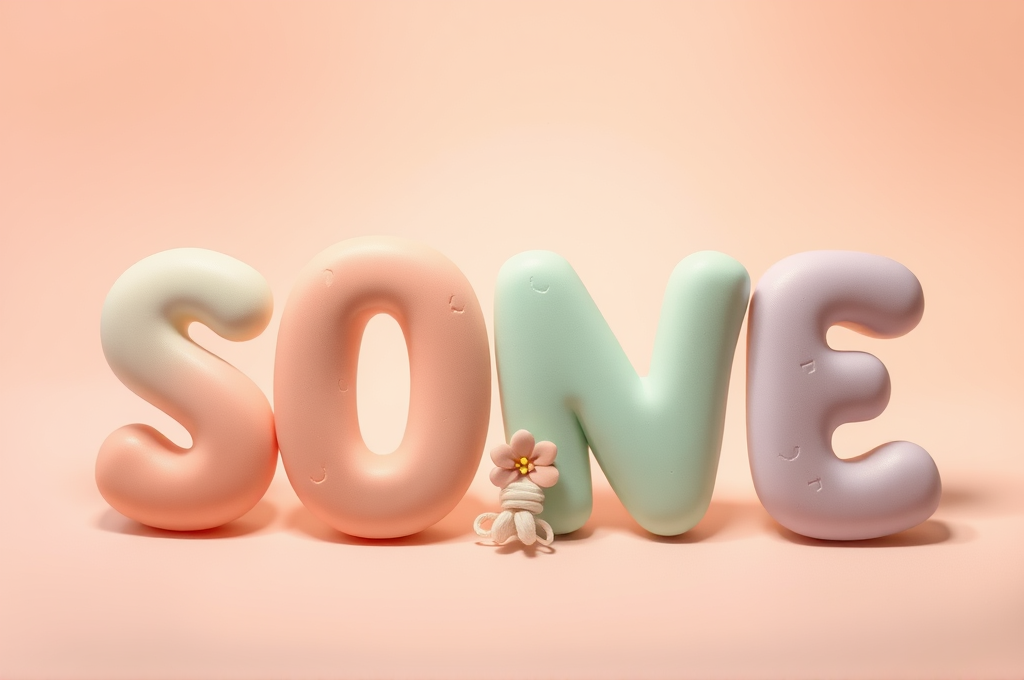
Claymorphism 3D Typography Design Prompt for Leonardo
Brand designers, social media marketers, and packaging creators use this prompt to produce eye-catching playful typography for product launches, kids' brands, food packaging, and app onboarding screens. The result is a warm, tactile, premium clay-style word treatment that instantly feels approachable and modern. It works especially well for Instagram carousels, hero banners, and merchandise mockups. Studios can swap the word and color palette to fit any brand while keeping the trending claymorphism look.
Create a playful, premium claymorphism-style 3D typography design featuring the word 'BLOOM' rendered as soft, hand-molded clay letters. Each letter should appear sculpted from smooth matte plasticine with rounded, chubby edges, subtle fingerprint textures, and gentle surface imperfections that reveal the handmade origin. Use a pastel color palette of soft coral, buttery cream, mint green, and lavender, with each letter in a slightly different hue for a cheerful candy-like feel. Arrange the letters in a bold, centered composition with a shallow depth of field, letting the front letters stay crisp while the background softly blurs. Light the scene with a large, soft key light from the upper left and a gentle fill from the right, producing smooth wraparound shadows, subtle ambient occlusion in the crevices, and delicate soft-edged contact shadows beneath each letter. Add tiny decorative clay elements—rolled beads, small flowers, or a coiled squiggle—nestled around the letters to enhance the tactile handmade charm. The background should be a seamless pastel gradient studio backdrop (soft peach fading to warm white) that keeps focus on the typography. Emphasize a squishy, satisfying, toy-like material response with a matte non-reflective finish and high micro-detail. Style keywords: claymorphism, plasticine typography, soft 3D render, kawaii pastel, tactile clay, studio product photography, premium playful branding. Render in ultra-high resolution with photoreal clay materials, crisp macro detail on the front letters, and a warm inviting mood. Technical params: aspect ratio 4:5, Leonardo Phoenix or Diffusion XL model, PhotoReal enabled, Alchemy on, guidance scale 7, high contrast off, resolution 1024x1280, negative prompt: glossy plastic, harsh shadows, text errors, extra letters, low detail, blurry front subject.
leonardo
#claymorphism#3d typography
Liam Brennan
🎨design
Design
Candied Citrus Jelly Gummy Typography Prompt for Ideogram
Food brands, dessert shops, and beverage marketers use this prompt to create mouthwatering hero graphics for packaging, menus, and social campaigns. Graphic designers generate eye-catching titles for summer promotions, juice launches, or candy product reveals. The glossy, translucent result grabs attention in feeds and conveys freshness instantly. It works equally well for playful event posters and premium editorial food features.
Create a bold, high-impact typography design where every letter is sculpted from translucent candied citrus and gummy jelly. Render the word "[YOUR TEXT HERE]" so that each glyph is formed from backlit orange, lemon, lime, and blood-orange slices fused with glossy fruit jelly, visible sugar crystals coating every edge. The letterforms should be plump, rounded, and three-dimensional, as if each character is a soft gummy candy you could bite into. Emphasize internal translucency: light passes through the jelly, revealing fibrous citrus pulp, tiny seeds, and radiating segment membranes glowing like stained glass. Dust the surfaces with fine granulated sugar that catches highlights, and add a few glistening wet droplets for a fresh, juicy feel. Use a confident, chunky sans-serif or soft bubble-letter structure so the fruit texture reads clearly at a glance. Scatter a handful of whole candied fruit slices, mint leaves, and loose sugar crystals around the baseline for garnish, but keep them subtle so the text stays dominant. Lighting should be bright, warm, and directional with strong backlighting to maximize the translucent glow, plus crisp specular highlights on the glossy jelly surfaces. Background: a clean, soft gradient of pastel cream to peach, slightly out of focus, letting the vivid citrus colors pop. Mood is playful, appetizing, vibrant, and premium. Technical parameters: aspect ratio 16:9, rendering style photorealistic macro food photography, ultra-detailed textures, shallow depth of field, color saturation high, magic prompt off for precise text accuracy. Ensure spelling is exact, letters evenly spaced, kerning balanced, and the composition centered with generous negative space.
ideogram
#citrus typography#gummy candy text
Chloe Hartmann