image
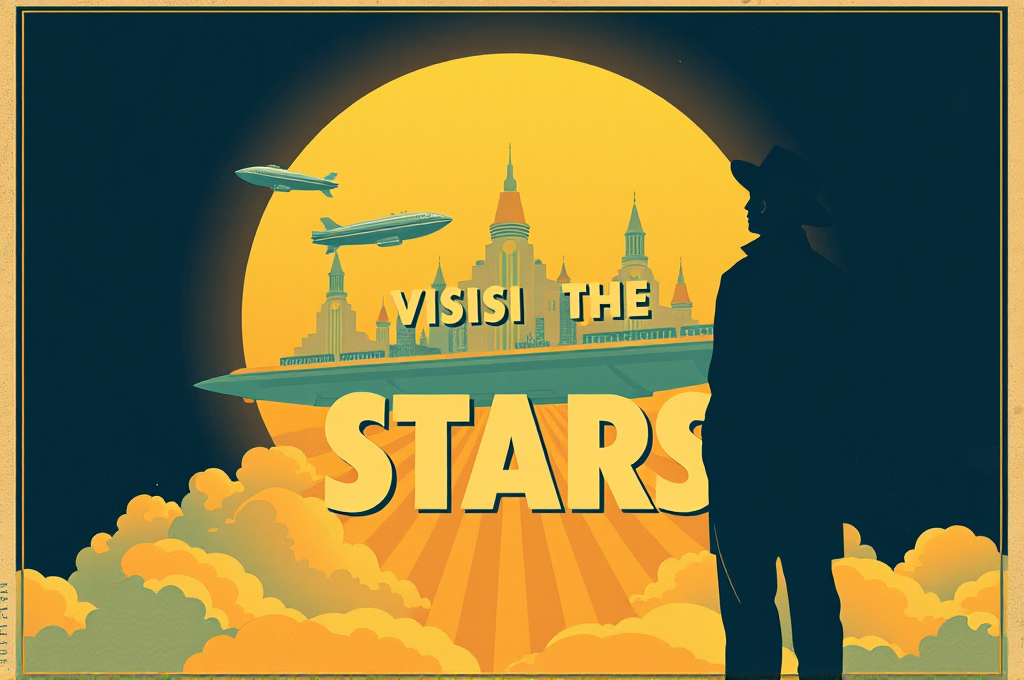
Retro-Futuristic Travel Poster Typography Prompt for Ideogram
Graphic designers, marketers, and small print-on-demand sellers use this prompt to generate ready-to-sell wall art, event flyers, and branded travel-themed campaigns. Content creators and worldbuilders use it to visualize fictional destinations for games, novels, and social media. The result is a polished, typography-driven poster with crisp legible text that Ideogram handles better than most models. It saves hours of manual layout and font work while delivering a cohesive vintage aesthetic.
Output Sample
The Prompt
Design a stunning retro-futuristic vintage travel poster in the style of classic 1930s Art Deco tourism advertisements, blended with mid-century space-age optimism. The composition should be vertical (2:3 poster orientation) with a strong central focal point showcasing an imaginary destination — for example, a floating cloud city, a neon Martian colony, an underwater crystal resort, or a bioluminescent jungle canyon. Render bold, elegant typography that reads the destination name in large stylized Art Deco lettering at the top or bottom, with a smaller tagline such as 'VISIT THE STARS' or 'ESCAPE TO THE DEEP' beneath it. Use Ideogram's strong text-rendering capability to keep all lettering crisp, legible, and perfectly kerned. Employ a limited, harmonious color palette of warm sunset oranges, teal, cream, and deep navy, with subtle grain and screen-print texture to evoke authentic vintage lithography. Include stylized geometric sunbursts, streamlined vehicles (rockets, airships, monorails), and simplified silhouettes of travelers in period clothing to reinforce the nostalgic advertising mood. Balance negative space thoughtfully so the typography breathes. Add a faint distressed paper texture, soft vignetting, and a thin decorative border frame in the style of national park or railway posters. Lighting should feel warm, golden, and cinematic, with long dramatic shadows suggesting a hopeful dawn or dusk. Aspect ratio 2:3, high detail, poster-grade composition, clean vector-inspired shapes mixed with lithographic grain. Style keywords: Art Deco, WPA poster, retro-futurism, screen print, travel advertisement, bold typography, limited palette, cinematic golden light, vintage lithograph texture, magazine-quality finish.
How to use
- Copy the prompt above using the copy button
- Replace any [bracketed placeholders] with your details
- Paste into ideogram
- Adjust and iterate based on the result
Shared by
Priya Patel
UX designer and AI tools enthusiast from Mumbai. I use prompts to prototype faster and pitch better. Figma + Midjourney combo advocate.
Works With
ideogram
Details
Categoryimage
AddedSep 29, 2026
Shared by
Priya Patel
UX designer and AI tools enthusiast from Mumbai. I use prompts to prototype faster and pitch better. Figma + Midjourney combo advocate.
Ready to use this?
Copy and paste directly into your AI tool.
Community Reviews
You might also like
art
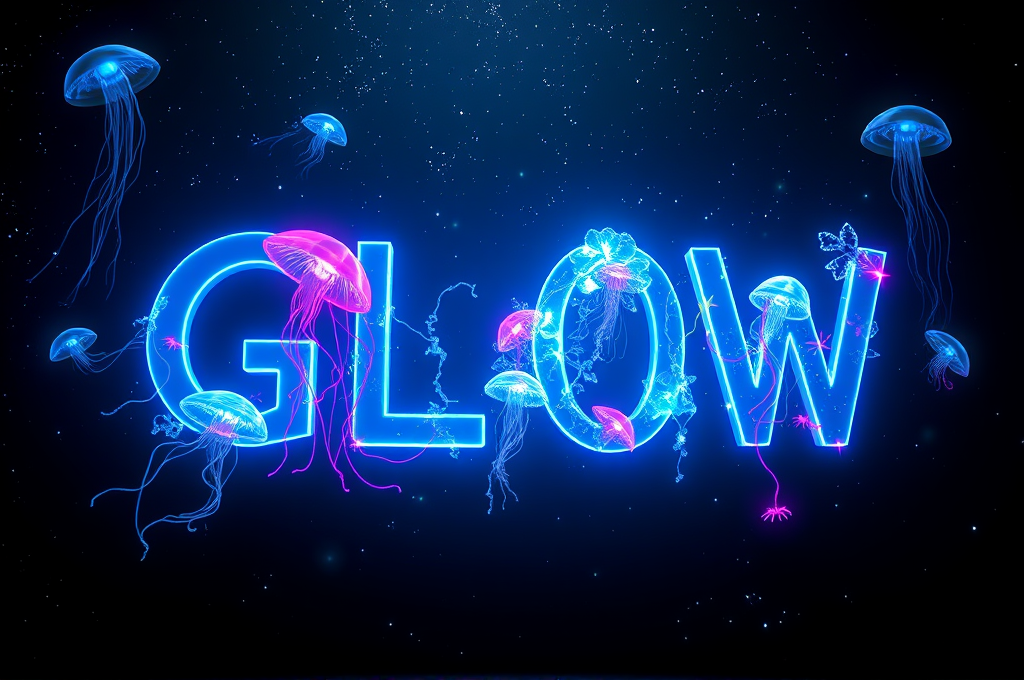
Bioluminescent Deep-Sea Creature Typography for Ideogram
Graphic designers and marine conservation brands use this prompt to create eye-catching poster art, album covers, and event branding with a mysterious oceanic theme. Content creators and aquarium marketers generate scroll-stopping social media visuals that blend science and fantasy. The result is a luminous, legible word rendered from living sea creatures that feels both magical and scientifically inspired. It works perfectly for ocean documentaries, nightclub flyers, and immersive digital art collections.
Create a stunning 3D typography design where each letterform is sculpted entirely from bioluminescent deep-sea creatures and glowing marine organisms. Spell out the word 'GLOW' (or your custom word) using intertwined forms of translucent jellyfish, anglerfish lures, glowing comb jellies, luminous plankton clusters, and ethereal siphonophores. Each letter should pulse with soft cyan, electric blue, teal, and magenta bioluminescence radiating from within the organic structures. The creatures should appear semi-transparent with visible internal glowing nervous systems and light-emitting photophores dotting their surfaces. Set the typography against a pitch-black abyssal ocean background with faint particles of marine snow drifting through the water and subtle volumetric god-rays filtering from far above. Render tiny suspended glowing microorganisms surrounding each letter to create depth and atmosphere. The letterforms should feel alive, delicate, and otherworldly, with trailing tentacles and flowing bioluminescent filaments connecting the letters organically. Add realistic water caustics, soft refraction, and a gentle glow bloom around all emissive elements. Emphasize high contrast between the vivid glowing creatures and the deep darkness. Composition centered, clean negative space, cinematic underwater atmosphere. Style: hyper-detailed, photorealistic 3D render with a touch of fantasy illustration. Technical parameters: aspect ratio 16:9, rendering mode realistic, magic prompt off for precise control, style type general, color palette dark abyssal with neon bioluminescent accents, high detail, octane-render quality lighting, depth of field with soft background bokeh, 8K resolution output. Ensure the text remains clearly legible while maintaining the organic creature-based construction of each glyph.
ideogram
#bioluminescent#typography
Yuna Park
Design
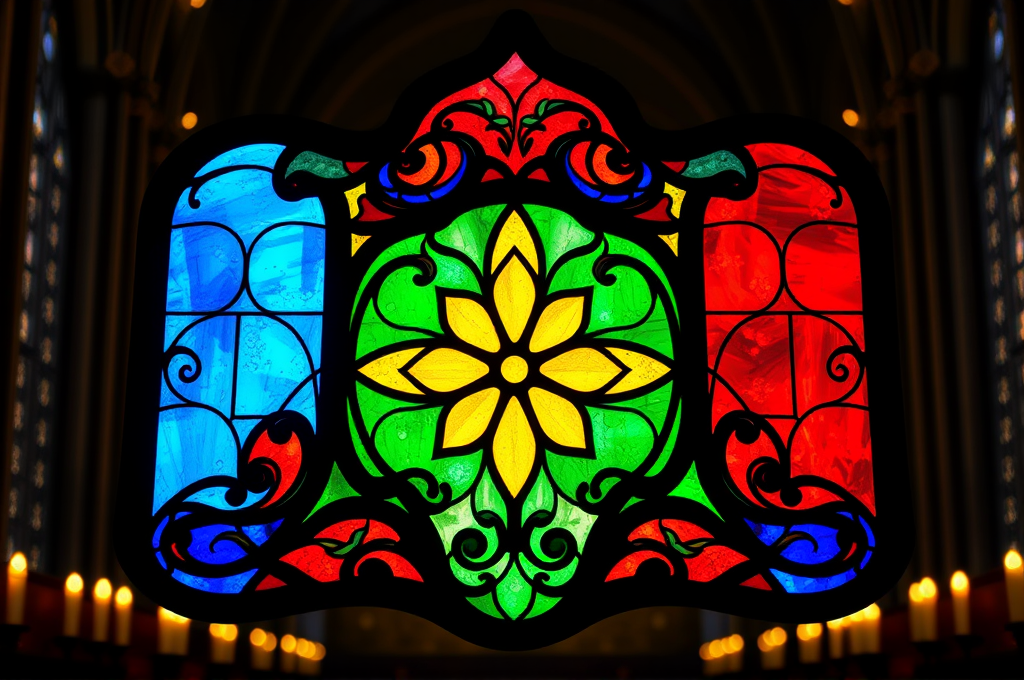
Stained Glass Typography Design Prompt for Stable Diffusion
Graphic designers and brand studios use this prompt to create ornamental initials, luxury logos, and decorative headers with a handcrafted artisanal feel. Wedding stationers and event designers generate elegant monograms for invitations and signage. Illustrators and poster makers produce eye-catching title cards for fantasy, historical, or spiritual themes. The result is a luminous, jewel-toned letterform that reads as authentic leaded glass, perfect for premium print and digital projects.
A single bold capital letter constructed entirely from intricate stained glass, filling the frame as the hero subject. The letterform is divided into dozens of individual glass panels in jewel tones — cobalt blue, emerald green, ruby red, amber gold, and deep violet — each segment separated by dark leaded came lines that trace organic and geometric patterns within the character. Strong backlighting floods through the colored glass, making the letter glow luminously and casting faint colored light reflections onto the surrounding surface. Fine details include subtle air bubbles, hand-blown glass texture, slight surface irregularities, and gentle variations in opacity from translucent to nearly opaque. The lead lines are matte charcoal-gray, slightly beveled and three-dimensional, catching soft highlights. Surrounding the letter is a shallow depth-of-field background suggesting a dim cathedral interior with soft bokeh of distant candlelight. Dust motes drift through the beams of transmitted light. The composition is centered, symmetrical, and highly ornamental, blending Art Nouveau floral flourishes with Gothic window craftsmanship. Rich saturated colors contrast against the dark leading, producing a dramatic glowing effect. Photorealistic rendering with macro clarity on the glass texture and lead seams. Style: realistic stained glass art, luminous, ornate, museum-quality craftsmanship. Rendered in ultra-high detail, cinematic lighting, with a warm-to-cool color balance. Negative prompt: blurry, flat lighting, plastic look, low contrast, distorted letterform, text artifacts, watermark, oversaturated neon, cartoonish. Parameters: steps 35, CFG scale 7, sampler DPM++ 2M Karras, resolution 1024x1024, seed random, model SDXL 1.0 with a glass or realism LoRA at 0.6 strength for enhanced refraction. Replace the letter with any character or short word while keeping the leaded panel structure consistent across each glyph.
stable-diffusion
#stained glass#typography
Marco Ferretti
Design
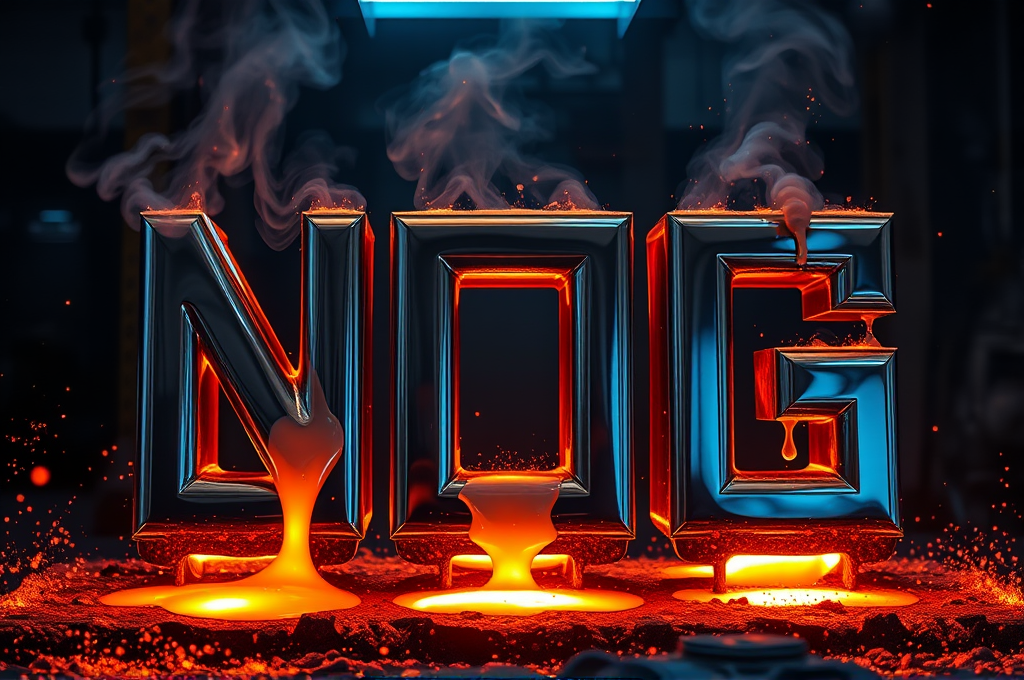
Molten Metal Pour Typography Design Prompt for Leonardo
Graphic designers and brand studios use this prompt to create striking hero typography for industrial, automotive, gaming, or heavy-metal music clients. Marketers deploy it for high-impact social media banners, album covers, and event posters that demand a premium, forged-in-fire aesthetic. The result is a bold, cinematic title graphic that instantly communicates strength, luxury, and intensity. It works especially well for product launches and masculine lifestyle branding.
Create a hyper-realistic 3D typography design where the letters are formed entirely from molten, freshly poured liquid metal captured mid-flow. Render the word or phrase [YOUR TEXT HERE] as glowing streams of liquid steel and iron cascading from an invisible crucible, with searing orange-white heat radiating from the thickest sections and cooling to a dark gunmetal gray at the edges. Each letter should appear partially solidified, showing the transition between glowing liquid metal and hardened crust, complete with molten droplets splashing, dripping tendrils, and sparks flying off the surface. Add fine ember particles and faint heat distortion rising from the forms. The surface must be richly reflective with sharp specular highlights, mirror-like chrome accents on the cooled portions, and deep internal glow on the molten zones. Position the typography against a dark industrial foundry backdrop with subtle bokeh and smoke haze to emphasize the intense temperature contrast. Use dramatic rim lighting from a cool blue source on the left to balance the warm molten glow and create cinematic depth. The composition should feel powerful, premium, and dangerous, like a luxury brand forged in fire. Letters should have weighty, bold geometric proportions with crisp readability despite the organic liquid flow. Emphasize photorealistic metal shaders, accurate subsurface scattering on glowing areas, molten viscosity, and physically accurate reflections. Technical parameters: aspect ratio 16:9, Leonardo Phoenix or Lucid Realism model, rendering quality high, guidance scale 7, contrast high, PhotoReal enabled, resolution 1536x864, negative prompt: blurry text, distorted letters, flat lighting, plastic texture, cartoonish, low detail, watermark.
leonardo
#molten metal#typography
Finn Callahan
Design
Vintage Product Label Design Prompt for Ideogram Packaging
Small business owners, indie brand founders, and packaging designers use this prompt to generate professional vintage label concepts without hiring an illustrator. It's ideal for craft coffee, honey, spirits, cosmetics, and boutique food products needing a heritage look. Marketers and Etsy sellers get print-ready label mockups they can refine for real packaging. The result is a polished, retro-branded label with accurate typography and ornate detailing ready for client presentations.
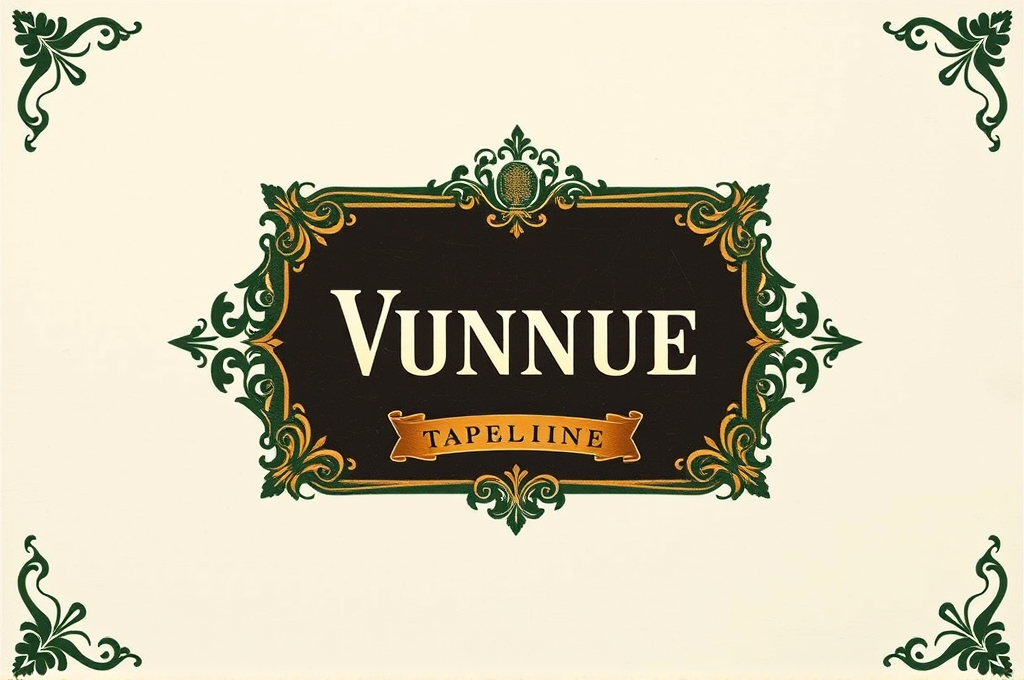
Design a premium vintage-style product label for a craft brand, rendered as a flat front-facing packaging mockup. Depict an ornate rectangular label with rounded corners for [PRODUCT: artisan coffee / botanical honey / small-batch whiskey / organic soap]. Center a bold heritage brand name in an elegant serif or Art Nouveau typeface reading "[BRAND NAME]", with a smaller tagline beneath in condensed vintage lettering: "[TAGLINE]". Surround the composition with intricate filigree borders, engraved line-art flourishes, and decorative corner scrollwork reminiscent of 19th-century apothecary and general-store packaging. Include a central illustrated emblem — a hand-engraved crest, coffee bean, laurel wreath, or vintage botanical motif — drawn in fine cross-hatched linework. Add supporting label details such as "EST. 1892", "PREMIUM QUALITY", net weight, and a banner ribbon carrying an accent phrase. Use a muted heritage color palette of cream, deep forest green, oxblood red, aged gold, and charcoal ink, with a subtle paper-grain and slight distressed texture to evoke authenticity. Ensure the typography is crisp, perfectly legible, and hierarchically balanced — Ideogram excels at accurate lettering, so spell all words precisely as written. Lighting should be even and flat for a clean mockup, with soft shadows grounding the label. Style: vintage packaging design, letterpress aesthetic, engraved illustration, retro branding, high detail. Technical params: --ar 4:5, high contrast, sharp focus, 4K resolution, flat lay presentation, no photographic clutter, magazine-quality print finish. Rendering style set to 'Design', magic prompt off for text accuracy, color palette locked to warm heritage tones.
ideogram
#vintage label#packaging design
Simone Bauer