image
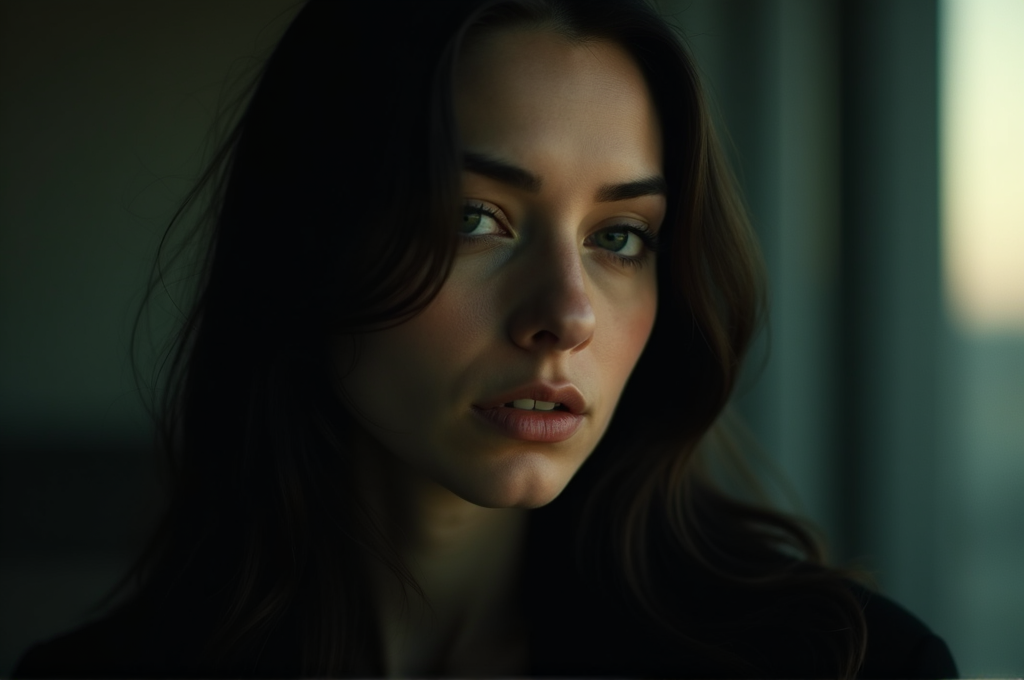
Cinematic Film Portrait Midjourney Prompt — Moody 35mm Style
Portrait photographers, indie filmmakers, and social media creators use this to produce scroll-stopping cinematic headshots without a studio. The result is a gallery-worthy film-emulation portrait with authentic depth, mood, and analog texture that reads as genuine 35mm photography. Brands and content creators leverage it for editorial campaigns, album covers, and atmospheric profile imagery. It beats a simple 'portrait of a woman' prompt by layering specific lens, lighting, color-grade, and film-grain directives that force Midjourney into consistent, professional-grade cinematic output.
The Prompt
Cinematic close-up portrait of a young woman with windswept hair, captured in the style of a moody A24 film still, hyper-realistic editorial photography. Subject: an introspective 25-year-old with natural freckles, soft glistening eyes catching the light, slightly parted lips, wearing an oversized vintage wool coat with a subtle texture. Composition: tight three-quarter framing, rule of thirds, subject positioned slightly off-center gazing past the camera, shallow depth of field with a creamy bokeh background of distant city lights blurred into golden orbs. Lighting: dramatic low-key cinematic lighting, warm practical key light from a window at golden hour grazing one side of the face, soft fill from a bounce reflector, gentle rim light separating hair from the dark background, naturalistic chiaroscuro. Color palette: warm amber and honey highlights fading into deep teal and muted charcoal shadows, desaturated film tones with a slight orange-and-teal color grade. Mood: contemplative, intimate, quietly emotional, nostalgic and cinematic. Texture: authentic 35mm film grain, subtle halation around highlights, faint analog imperfections, organic skin texture with visible pores and fine detail. Camera angle: eye-level, slightly intimate proximity, shot as if on a Kodak Portra 800 with an 85mm f/1.4 lens. Render with photographic realism, sharp focus on the eyes, smooth tonal gradients, no artificial smoothing. Style references: cinematic still, editorial portrait, contemporary indie film poster, atmospheric and timeless. --ar 16:9 --v 6.1 --stylize 750 --style raw --quality 2
How to use
- Copy the prompt above using the copy button
- Replace any [bracketed placeholders] with your details
- Paste into midjourney
- Adjust and iterate based on the result
Shared by
Jordan Kim
Content strategist who uses AI to 10x their workflow. ChatGPT + Claude combo for long-form. Always testing what actually works.
Works With
midjourney
Details
Categoryimage
AddedJun 28, 2026
Shared by
Jordan Kim
Content strategist who uses AI to 10x their workflow. ChatGPT + Claude combo for long-form. Always testing what actually works.
Ready to use this?
Copy and paste directly into your AI tool.
Community Reviews
You might also like
image
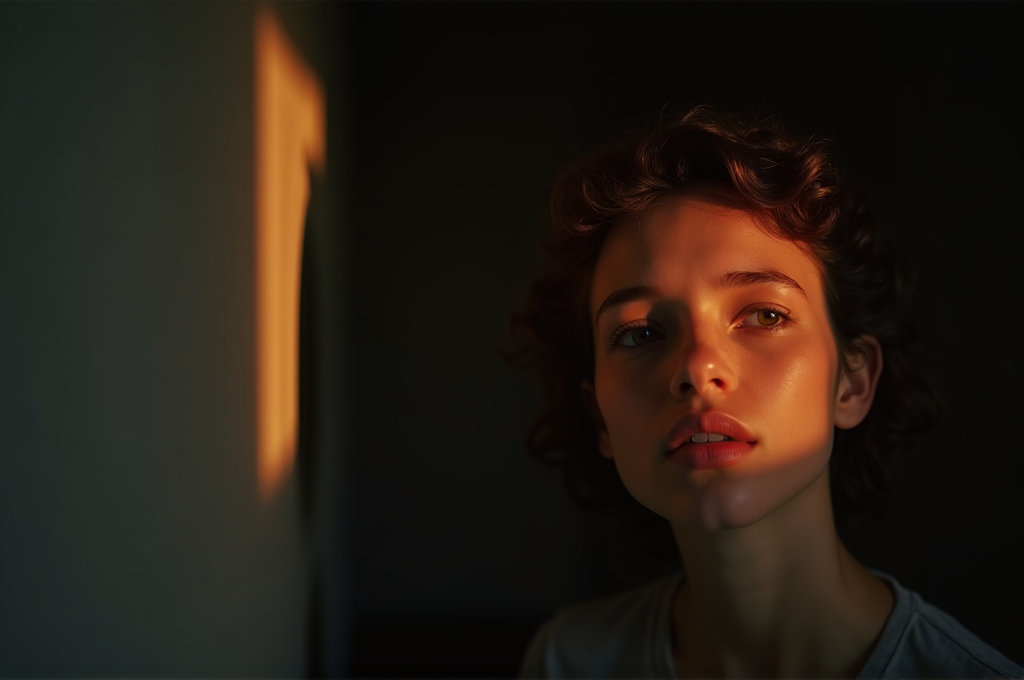
Cinematic Portrait Midjourney Prompt — Moody Editorial Style
Portrait photographers, content creators, and brand designers use this to generate scroll-stopping editorial visuals for social campaigns, magazine mockups, album covers, and personal branding. The result is a gallery-worthy cinematic headshot indistinguishable from a high-end studio shoot. Unlike a simple 'portrait of a woman' prompt, this specifies lens, lighting direction, film grain, and color grading to lock in a consistent prestige-film look every render. It saves hours of trial-and-error and delivers commercial-grade output instantly.
Ultra-realistic cinematic portrait of a striking woman in her late 20s with sharp bone structure, dewy natural skin texture showing fine pores and subtle freckles, captured in an intimate close-up. She gazes slightly off-camera with a contemplative, soulful expression, lips parted ever so slightly. Styled in a minimalist oversized charcoal wool coat with a raised collar, a single thin gold necklace catching the light. Dramatic chiaroscuro lighting — a soft key light from the upper left carving warm highlights across one side of her face while the other half falls into rich, velvety shadow. Shot on a Sony A7R IV with an 85mm f/1.4 lens, razor-thin depth of field melting the background into creamy bokeh of distant amber city lights at dusk. Color palette of deep teal shadows, warm honey skin tones, and muted desaturated backdrop for a moody editorial film look. Subtle 35mm film grain, slight halation around highlights, and a cinematic widescreen aesthetic reminiscent of a Denis Villeneuve frame. Composition follows the rule of thirds with the subject's eyes on the upper intersection, negative space breathing on the right. Atmosphere is quiet, introspective, and emotionally cinematic — like a still pulled from a prestige drama. Skin retains authentic imperfections, no plastic smoothing, hyper-detailed eyelashes and catchlights in the iris. Professional color grading with lifted shadows and gentle teal-orange contrast. --ar 16:9 --v 6.1 --stylize 750 --quality 2
midjourney
#cinematic portrait#midjourney
Carlos Mendez
image
Cinematic Portrait Prompt: Dramatic Chiaroscuro Lighting
Portrait photographers, filmmakers, and social media creators use this prompt to generate striking editorial-grade headshots without a studio. Digital artists and brand designers apply it for mood boards, album covers, and character concept art. The result is a gallery-ready cinematic portrait with professional lighting and film-authentic texture. It saves hours of studio setup while delivering commercially usable, emotionally resonant imagery.
Ultra-realistic cinematic close-up portrait of a [subject: e.g., weathered fisherman in his 60s / young woman with freckles / brooding male model], captured in dramatic chiaroscuro lighting reminiscent of Rembrandt and modern film noir. The subject faces three-quarters toward the camera with a contemplative, emotionally charged expression. A single warm key light rakes across one side of the face, sculpting the cheekbones, jawline, and brow, while the opposite side falls into deep, moody shadow with subtle rim lighting separating the figure from a matte-black background. Skin texture is hyper-detailed and photorealistic, showing pores, fine wrinkles, subtle sweat sheen, and natural imperfections. Eyes are sharp, glossy, and reflective with visible catchlights that convey depth and soul. Wardrobe is understated and textured — worn leather, raw linen, or a dark wool coat — adding tactile realism. The color grade is cinematic teal-and-orange with rich blacks, crushed shadows, and gently lifted highlights. Fine analog film grain overlays the entire image for an authentic 35mm celluloid feel, with a slight vignette drawing focus inward. Composition follows the rule of thirds with shallow depth of field, creamy bokeh, and razor-sharp focus on the eyes. Mood: intimate, powerful, timeless. Style references: cinematic still, editorial photography, Roger Deakins lighting, Peter Lindbergh mood. Shot on a full-frame camera with an 85mm f/1.4 prime lens. Technical parameters: aspect ratio 4:5, resolution 1024x1280, model Leonardo Phoenix or Lightning XL, PhotoReal enabled, guidance scale 7, contrast high, prompt strength 0.55, seed randomized. Negative prompt: cartoon, illustration, plastic skin, overexposed, blurry eyes, extra fingers, distorted anatomy, watermark, text, low resolution, flat lighting.
leonardo
#cinematic portrait#chiaroscuro lighting
Ravi Sharma
image
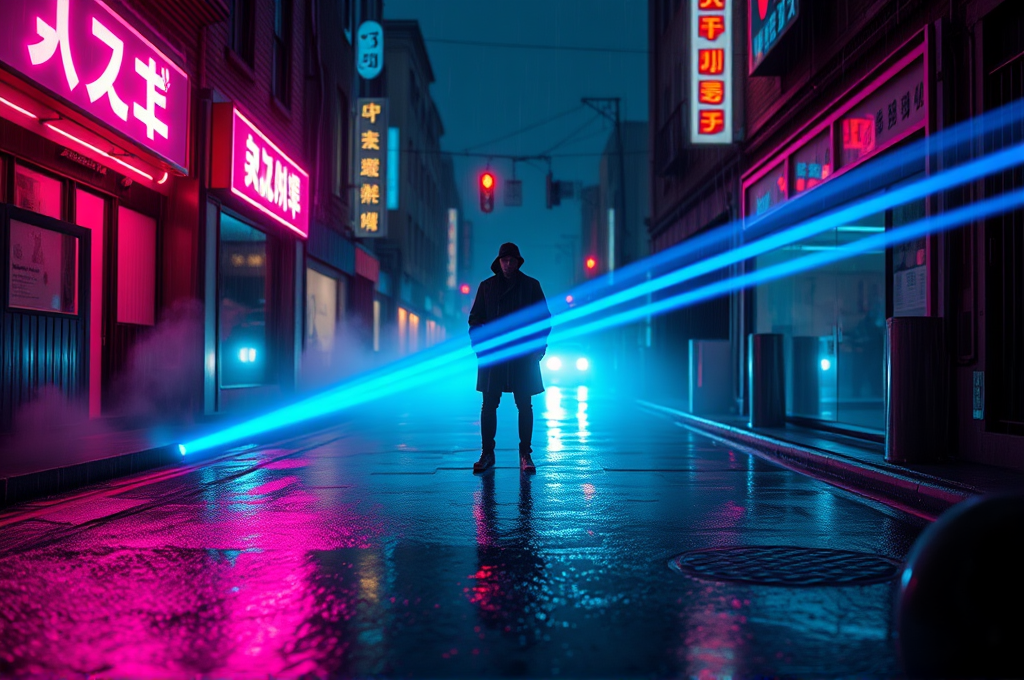
Anamorphic Neon Noir Cinematic Art Prompt for Midjourney
Concept artists, filmmakers, and album-cover designers use this prompt to generate cinematic neo-noir key art and mood boards without a physical film shoot. Content creators and thumbnail designers deploy it for atmospheric YouTube and streaming visuals that stop the scroll. The result is a moody, film-grade widescreen still with authentic anamorphic flares and neon reflections. It is ideal for pitching sci-fi projects, building visual style guides, or producing standalone digital art.
Cinematic wide-angle street scene shot on an anamorphic lens, rain-slicked asphalt reflecting a wall of buzzing neon signage in electric magenta, cyan, and deep amber. A lone figure in a wet trench coat stands mid-frame, silhouetted against volumetric fog rolling through a narrow alley in a near-future metropolis. Signature horizontal blue anamorphic lens flares streak across the frame, oval bokeh glowing in the background from distant traffic lights and hanging paper lanterns. Moody neo-noir atmosphere, high contrast chiaroscuro lighting, teal-and-orange color grade with crushed shadows and blooming highlights. Steam vents rising from manhole covers, puddles doubling every light source, subtle chromatic aberration at the edges. Film grain texture, shallow depth of field, subject in tack-sharp focus while the cityscape melts into dreamy bokeh. Cinematic composition following the rule of thirds, low camera angle emphasizing towering signage and cramped urban geometry. Mood: solitary, tense, atmospheric, cinematic thriller still. Rendered like a frame from a modern sci-fi noir film, reminiscent of Blade Runner meets Denis Villeneuve cinematography. Ultra-detailed reflections, realistic wet materials, glistening surfaces, ambient occlusion, ray-traced lighting. Emphasize the anamorphic 2.39:1 widescreen feel, letterbox cinematic framing, professional color science. --ar 21:9 --style raw --stylize 400 --chaos 12 --quality 2 --v 6.1. Optional variations: swap the trench-coat figure for a parked hover-car, a ramen vendor stall, or an empty crosswalk. Adjust neon palette to hot pink and lime, or icy blue and violet, to shift the emotional tone while preserving the anamorphic lens-flare signature.
midjourney
#anamorphic#neon noir
Sofia Marchetti
Design
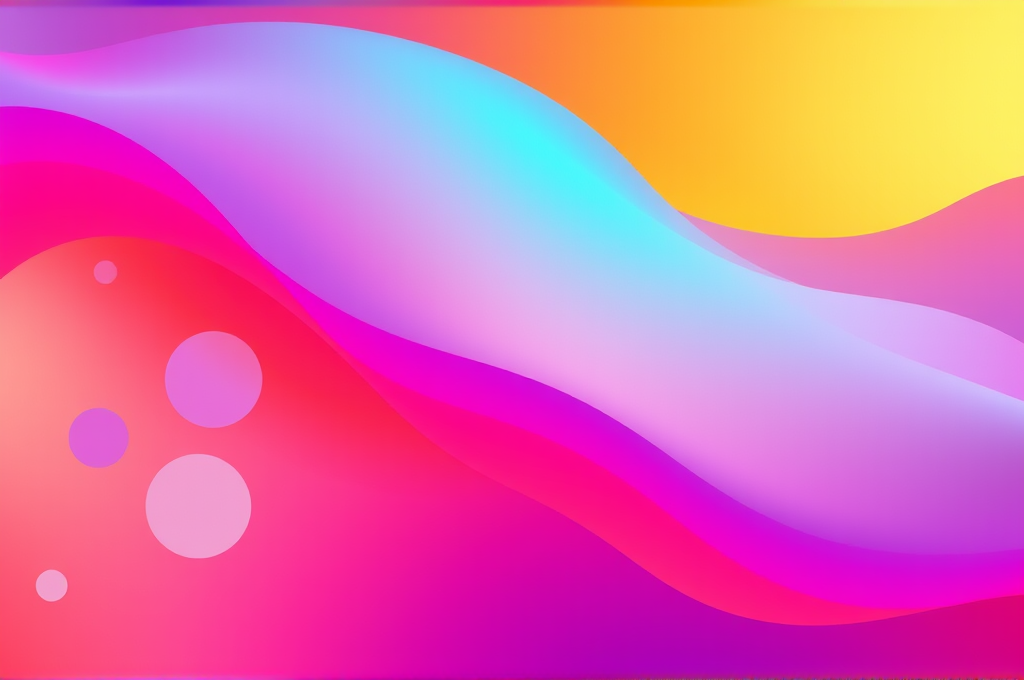
Gradient Mesh Poster Design Prompt for Midjourney
Graphic designers, brand strategists, and marketing teams use this prompt to generate eye-catching poster concepts for music festivals, product launches, and tech campaigns. It delivers polished, print-ready gradient mesh artwork in seconds, saving hours of manual vector work in Illustrator. Freelancers can rapidly pitch multiple color directions to clients, while agencies use it to prototype editorial layouts. The result is a modern, premium poster that feels both handcrafted and digitally fluid.
Create a striking maximalist gradient mesh poster design with smooth, flowing color transitions and organic fluid shapes. Compose a vertical A3 poster featuring an intricate mesh gradient that blends [electric coral, deep violet, cyan, and warm amber] in seamless waves across the canvas. Layer soft, blobby organic shapes that morph and overlap, creating depth through subtle transparency and multiply blending. Add a fine layer of film grain and analog noise texture over the entire composition to give it a tactile, printed feel. Incorporate bold, minimal sans-serif typography in the upper third and lower third — clean, geometric letterforms with generous kerning that contrast the soft gradients. The color palette should feel vibrant yet harmonious, with luminous highlights suggesting an inner glow. Include subtle iridescent color-shift zones where hues bleed into unexpected complementary tones. Emphasize a dreamy, atmospheric mood with a modern editorial aesthetic suitable for music festivals, tech branding, or contemporary art exhibitions. Balance negative space with dense areas of color activity to guide the viewer's eye. Render with crisp resolution, smooth anti-aliased edges on shapes, and rich saturation. Style references include Spotify Wrapped campaigns, Behance gradient trends, and Swiss-modernist layout principles fused with digital fluidity. Lighting should feel soft and diffused, as if backlit. Keep the overall look premium, gallery-ready, and print-optimized. --ar 2:3 --v 6.1 --style raw --stylize 350 --quality 2. For variations, swap the color palette to [teal and magenta], [sunset orange and pink], or [midnight blue and lime green] and adjust typography placement to explore alternate compositions.
midjourney
#gradient design#poster art
Owen Blackwood