image
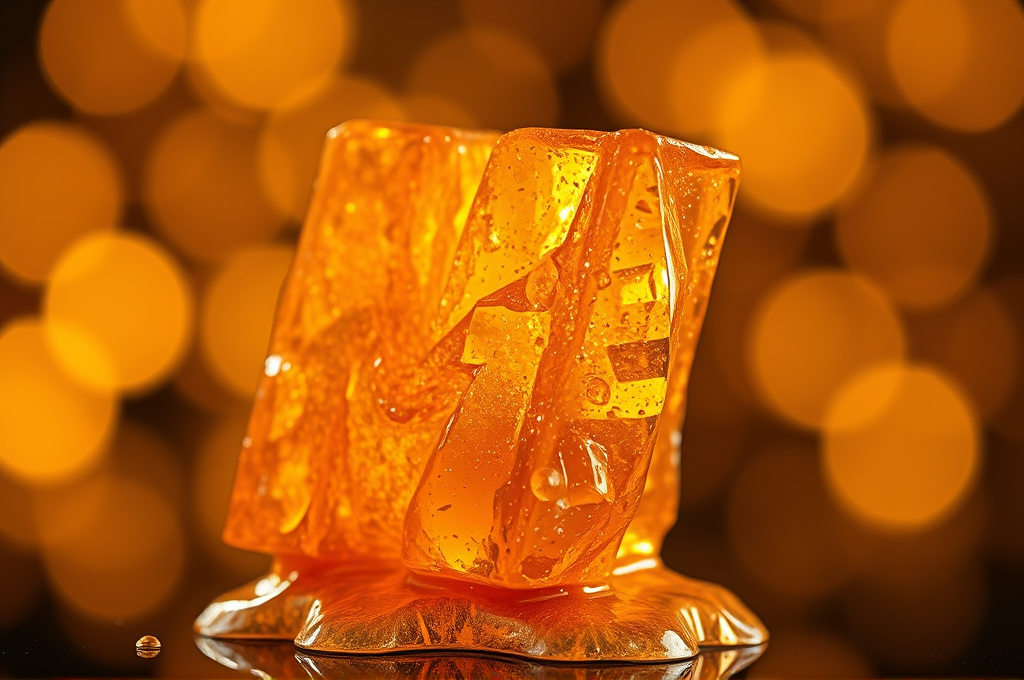
Crystallized Sugar Caramel Typography Macro Art for Leonardo
Confectionery brands, bakeries, and dessert menu designers use this prompt to create mouthwatering letterforms for logos, social campaigns, and packaging. Food bloggers and recipe-site editors generate eye-catching header graphics that convey sweetness and craftsmanship. Graphic designers building seasonal or holiday candy branding get premium, textured typography without a costly studio shoot. The result is a luxurious, appetizing single-letter hero image ready for monograms or full custom lettering sets.
Output Sample
The Prompt
Create an ultra-detailed macro photograph of a single letterform sculpted entirely from crystallized sugar and amber caramel. The letter emerges from a bed of fractured sugar crystals, each facet catching warm golden light and refracting it into tiny prismatic sparkles. Render the surface with a realistic mix of textures: glassy translucent rock-sugar crystals, matte granulated sugar clusters, and glossy flowing caramel that drips and pools around the base. Backlight the letter so light passes through the semi-transparent caramel, producing deep amber-to-honey gradients, internal glowing cores, and crisp specular highlights along crystal edges. Add fine details like trapped air bubbles inside the caramel, delicate sugar strands spun thin as glass, and a dusting of fine crystalline powder settling on the surface. Compose with an extreme shallow depth of field, keeping the center of the letter razor sharp while the foreground and background dissolve into creamy golden bokeh. Use a clean, dark gradient background (deep espresso brown fading to warm black) so the letter glows as the hero element. Lighting should feel like a professional food-studio setup: a soft key light from the upper left, warm rim light from behind, and subtle fill to reveal texture without losing contrast. Emphasize rich saturation in the amber and caramel tones while keeping crystal highlights crisp and clean. The overall mood is luxurious, appetizing, and tactile — as if you could taste the sweetness. Style: hyperrealistic macro food photography, commercial confectionery aesthetic, crisp focus, cinematic warm color grade. Technical params: aspect ratio 1:1, Leonardo Phoenix or Lightning XL model, PhotoReal enabled, Alchemy on, guidance scale 7, high contrast preset, 4K upscale, prompt magic v3.
How to use
- Copy the prompt above using the copy button
- Replace any [bracketed placeholders] with your details
- Paste into leonardo
- Adjust and iterate based on the result
Shared by
Nia Williams
Cardiff-based visual artist and AI researcher. I study generative aesthetics and run workshops teaching AI art to beginners.
Works With
leonardo
Details
Categoryimage
AddedNov 11, 2026
Shared by
Nia Williams
Cardiff-based visual artist and AI researcher. I study generative aesthetics and run workshops teaching AI art to beginners.
Ready to use this?
Copy and paste directly into your AI tool.
Community Reviews
You might also like
Related to:#sugar typography#macro food art#caramel letters#crystallized texture#confectionery design
image
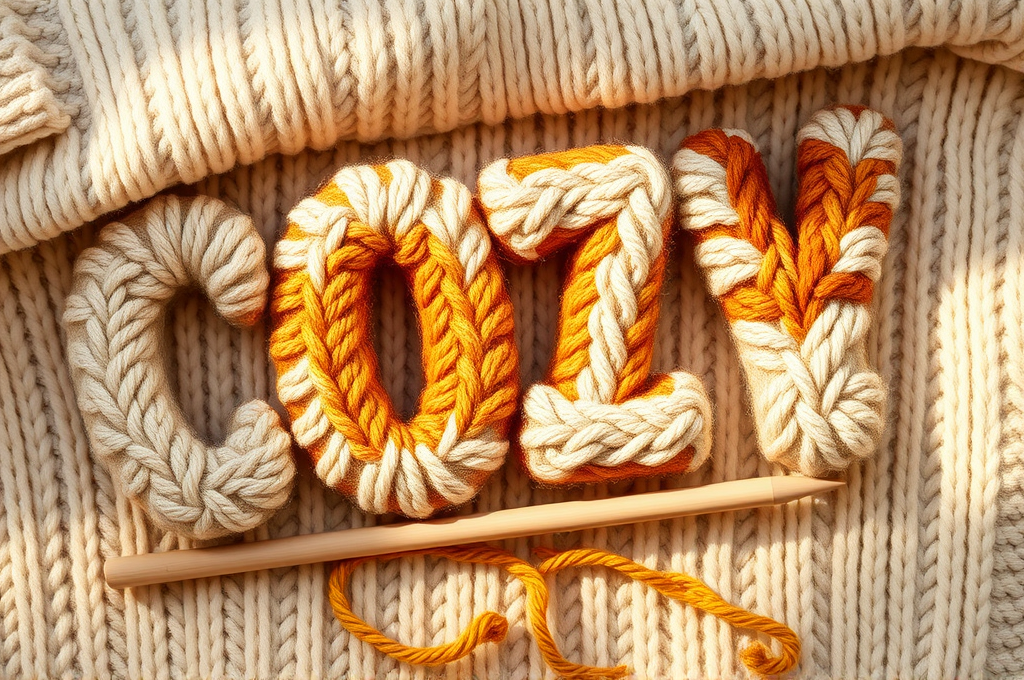
Chunky Knitted Wool Yarn Typography Prompt for Ideogram
Craft brands, knitting pattern designers, and cozy lifestyle influencers use this to create warm, tactile branded typography for product packaging, Etsy shop banners, and autumn-winter marketing campaigns. Greeting card companies and home decor retailers get Pinterest-ready hero images that feel handmade and inviting. The result is scroll-stopping fiber-art lettering that photographs like a real knitted piece without sourcing physical materials. Perfect for seasonal social media content that drives engagement in the maximalist craft-core niche.
Create a bold, three-dimensional typography design where each letter is entirely sculpted from chunky knitted wool and thick twisted yarn. Render the word or phrase as if hand-knitted by a master fiber artist, with every letter displaying authentic stockinette and cable-knit stitch patterns wrapping around rounded, pillowy letterforms. Show individual strands of fuzzy merino wool catching soft directional light, with tiny fiber frays, loose fuzz halos, and the natural irregular tension of real handcraft. Each letter should have genuine volume and depth, casting soft realistic shadows onto a warm, neutral background of folded cream wool fabric or a cozy knitted blanket texture. Use a palette of oatmeal beige, terracotta rust, mustard yellow, sage green, and dusty rose for a Scandinavian hygge aesthetic. Incorporate dangling yarn tails, visible purl bumps, braided cable twists, and the occasional wooden knitting needle resting beside the letters for authenticity. The lighting should be soft, warm, and diffused like an overcast morning window, emphasizing the tactile fuzziness and making viewers want to reach out and touch the fibers. Add extremely fine detail to the fiber texture so individual wool threads are crisp and photoreal. Compose the typography centered with generous negative space, shot from a slight top-down three-quarter angle to showcase dimensionality. Maintain clean, legible letterforms despite the organic material. Style: photorealistic macro craft photography, cozy editorial still life, Pinterest-worthy handmade aesthetic. Specify your exact text clearly. Technical params: aspect ratio 16:9, rendering style REALISTIC, magic prompt OFF for precise text control, high detail, 4K resolution, soft studio lighting, shallow depth of field with sharp focus on letterforms.
ideogram
#knitted typography#wool lettering
Connor Walsh
image
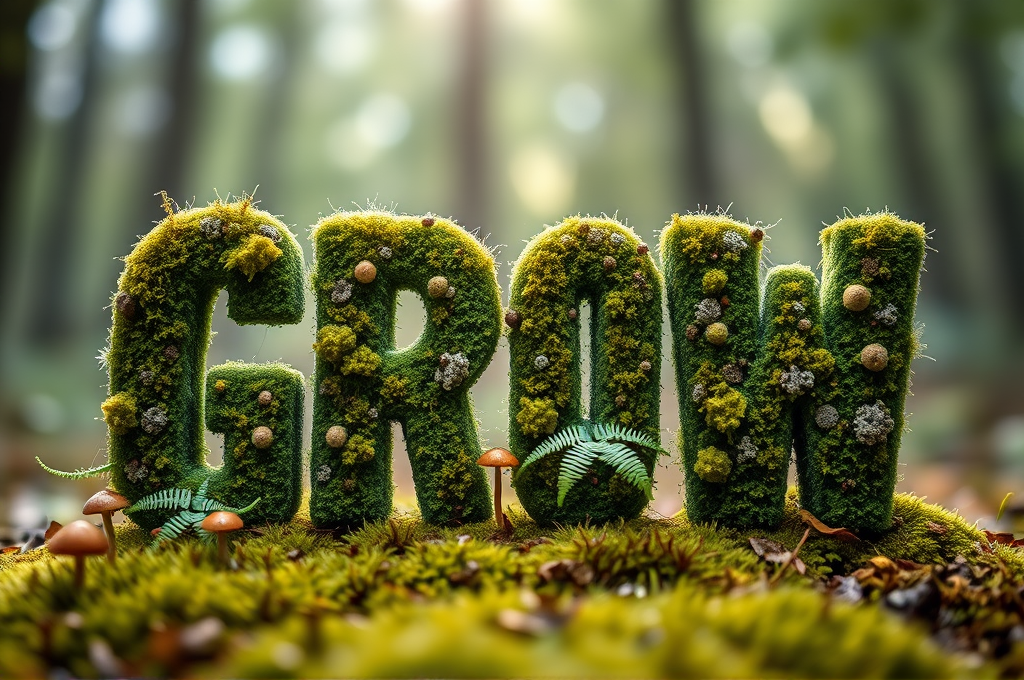
Living Moss & Lichen 3D Forest Typography for Firefly
Brand designers and eco-conscious marketers use this to create organic, nature-driven headline graphics for sustainability campaigns, wellness products, and botanical packaging. Content creators and bloggers use it for lush seasonal social media visuals and Pinterest-worthy headers. The result is a tactile, immersive word that feels alive and earthy, instantly signaling natural, green, and handcrafted values. It works beautifully for Earth Day promos, plant shops, and spa branding.
Create a hyperrealistic 3D typography design where the letters are entirely sculpted from living forest moss, soft cushion moss, pale sage lichen, and miniature curling ferns. Render the word "GROW" (or user's chosen text) as dimensional block letters standing upright on a damp forest floor, each character densely carpeted in layered emerald and chartreuse moss with velvety texture. Scatter clusters of pale grey-green reindeer lichen along the edges, delicate maidenhair fern fronds unfurling from the serifs, and tiny toadstool mushrooms sprouting at the base of each letter. Cover every surface in fine morning dew droplets that catch and refract soft light. Add a few translucent water beads clinging to spider silk strung between the letters. Lighting should be soft, diffused dawn light filtering through a forest canopy from the upper left, casting gentle dappled shadows and creating a cool, misty, humid atmosphere. The background is a deeply blurred bokeh forest in muted greens and browns, keeping full focus on the mossy lettering. Emphasize extreme micro-detail: individual moss strands, the fuzzy texture of lichen, the fine veins in fern leaves, and the sparkle of condensation. Color palette: rich forest greens, moss emerald, chartreuse highlights, soft grey-green lichen, earthy brown accents. Composition: centered hero text, eye-level macro perspective, shallow depth of field. Mood: enchanted, serene, botanical, eco-conscious. Technical params: aspect ratio 16:9, high detail, photographic realism, macro lens look, Content type: Art, Style strength: strong, Reference strength: medium, Visual intensity: high, 4K resolution output.
firefly
#moss typography#forest lettering
Liam Walker
image
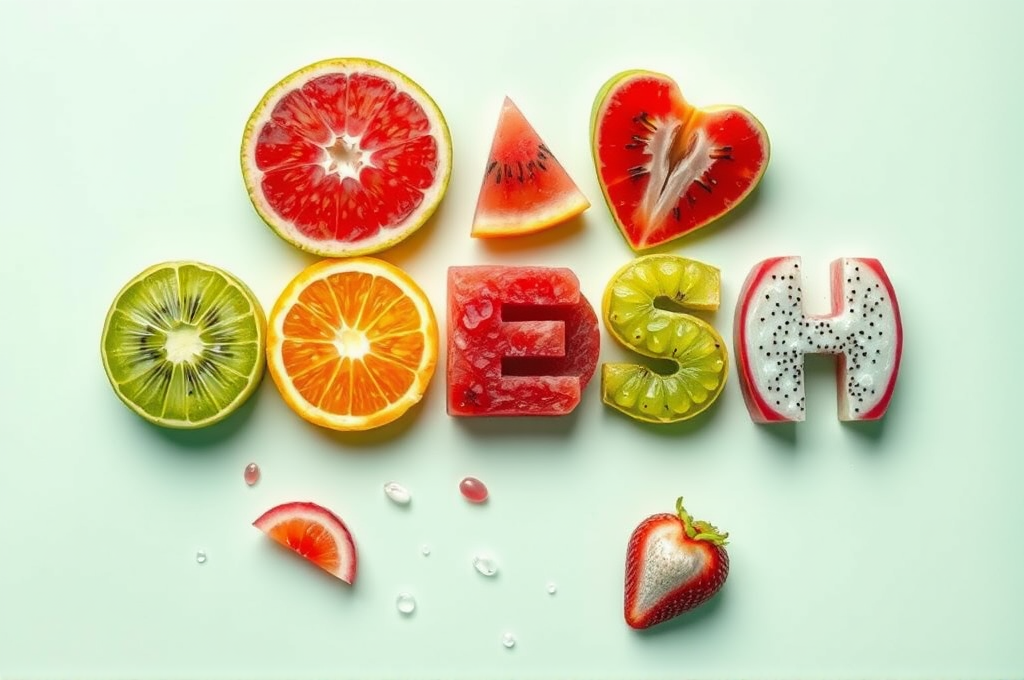
Juicy Fruit Cross-Section 3D Typography Design for DALL-E
Food brands, juice companies, and smoothie startups use this prompt to create eye-catching packaging and advertising headlines that instantly communicate freshness. Social media managers and content creators leverage it for summer campaign visuals, menu designs, and Instagram-worthy promotional graphics. Graphic designers get a ready-made premium typography asset without expensive food photography shoots. The result is a mouth-watering, scroll-stopping lettering design perfect for health, wellness, and tropical product branding.
Create a hyperrealistic 3D typographic design where each letter is sculpted entirely from the cross-section of ripe, juicy fruit. Render the word "FRESH" (or your custom word) so that every character appears sliced open to reveal vibrant translucent flesh, glistening pulp, embedded seeds, and natural fibrous textures. Blend multiple fruits across the letters: kiwi with its radiating green flesh and ring of black seeds, watermelon with crisp pink interior and scattered seeds, blood orange with jewel-toned segments, strawberry with speckled surface, and dragon fruit with white flesh and tiny black dots. The letterforms should be thick, dimensional, and extruded like physical fruit slices photographed from directly above. Light the scene with bright, diffused studio softbox lighting to make the juice sparkle and the flesh appear backlit and semi-translucent, as if sun is passing through each slice. Scatter tiny droplets of fresh juice, water condensation, and a few loose seeds around the base of the letters for realism. Background: a clean, seamless pastel mint or soft cream surface with gentle soft shadows beneath each letter to ground them. Emphasize ultra-sharp macro detail, dewy highlights, and rich natural saturation. The overall mood is refreshing, appetizing, summery, and premium. Composition should be centered, balanced, and flat-lay style with generous negative space for branding or text overlay. Photorealistic food photography aesthetic. Technical params: aspect ratio 16:9, ultra-high resolution 4K, style: natural, quality: HD, lighting: bright studio softbox, camera angle: top-down flat lay, focus: macro sharp detail throughout, color profile: vibrant and saturated.
dall-e
#fruit typography#food photography
Liam Brennan
image
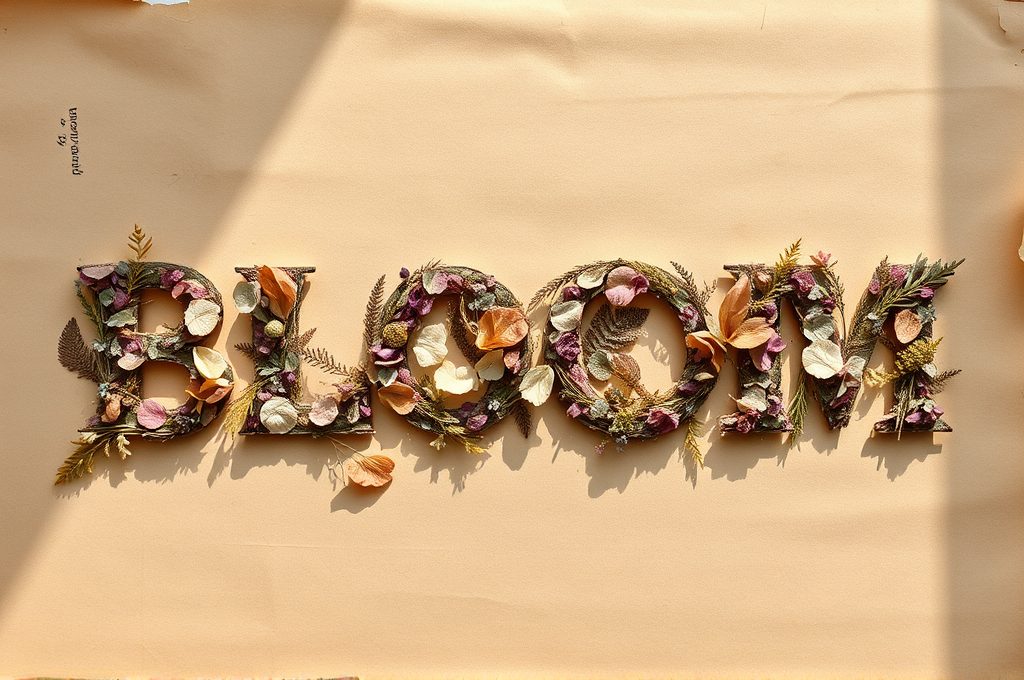
Pressed Flower Herbarium Typography Design Prompt for Ideogram
Graphic designers, wedding stationery creators, and boutique brand owners use this prompt to craft organic, nature-inspired lettering for invitations, book covers, and eco-conscious packaging. The result is sophisticated typography that blends botanical artistry with readable design, perfect for premium handmade aesthetics. Content creators and Etsy sellers leverage it for print-on-demand wall art and journals. It delivers a refined, archival look that feels both scientific and romantic.
Create a stunning typographic design where each letter is meticulously constructed from pressed and dried botanical specimens, styled like a vintage herbarium collection. Render the word or phrase [YOUR TEXT HERE] with letters formed entirely from flattened pressed flowers, delicate fern fronds, dried petals, slender stems, and translucent leaves preserved as if between glass. Use a muted, naturalistic palette of faded rose pinks, sage greens, ochre yellows, lavender purples, and papery browns, evoking aged specimens from a 19th-century botanist's notebook. Each letterform should maintain crisp, readable structure while revealing the intricate veins, textures, and imperfections of real pressed plant matter. Arrange the composition on a warm aged parchment or cream cotton-paper background with subtle fiber grain, faint water stains, and the gentle shadows of pressed material. Add small handwritten Latin botanical labels, fine ink annotations, and thin specimen-mounting tape accents in the corners for authentic archival detail. Light the scene with soft, even, diffused daylight that highlights the translucency of thin petals and casts delicate natural shadows. Emphasize macro-level realism: dried pollen dust, brittle edges, slight curling of petals, and faded chlorophyll gradients. The overall mood should feel timeless, organic, elegant, and scientifically curated. Compose the typography centered with balanced negative space, allowing the botanical letters to breathe against the background. Technical parameters: aspect ratio 16:9, rendering style realistic photographic macro with botanical illustration influence, high detail, magic prompt off, color palette muted-natural, resolution 2K, style weight high, negative prompt: neon colors, plastic texture, blurry letters, distorted anatomy, cartoonish, oversaturation.
ideogram
#pressed flower typography#herbarium design
Ryan O'Sullivan