art
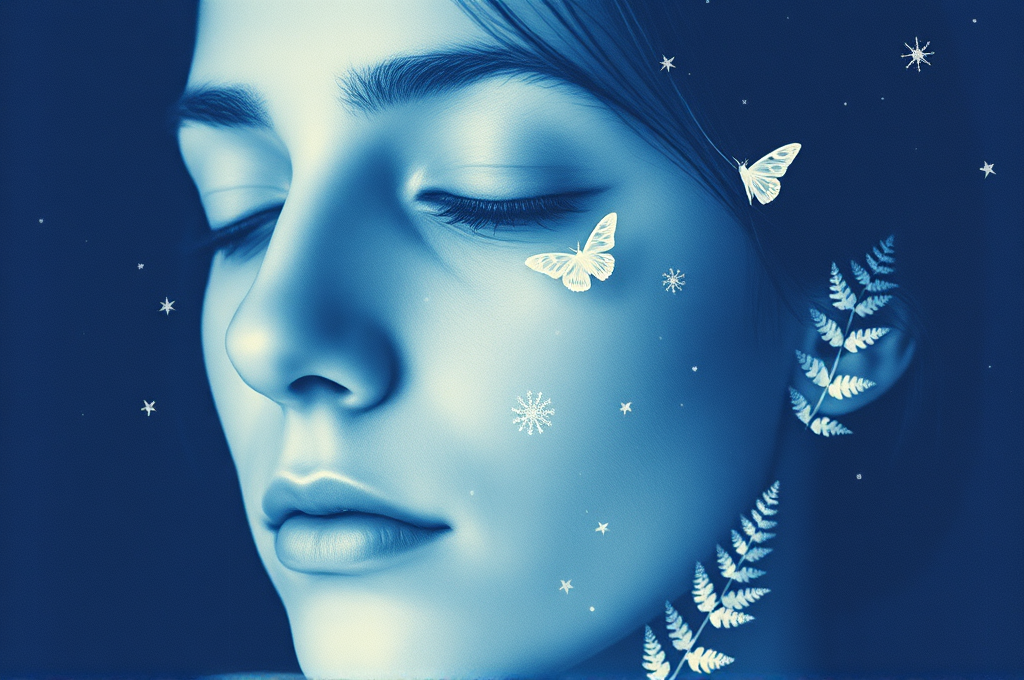
Cyanotype Surreal Portrait Art Prompt for Leonardo AI
Fine-art photographers, gallery illustrators, and album-cover designers use this prompt to produce museum-quality surreal portraits with an antique alternative-photography feel. Editorial designers apply it for magazine features and poetry book covers that need an ethereal, contemplative tone. Print-on-demand artists sell these as limited-edition wall art due to their timeless monochrome elegance. The result is a striking, emotionally resonant blue-toned portrait that reads as both vintage artifact and modern fine art.
Output Sample
The Prompt
Create a hauntingly beautiful cyanotype-inspired surreal portrait rendered in the classic Prussian blue and white photographic printing tradition. Depict a serene human face in three-quarter profile, eyes half-closed in quiet contemplation, emerging from a wash of deep indigo tones. Overlay delicate botanical silhouettes—ferns, dried flowers, and skeletal leaves—pressed directly onto the subject's skin as if part of an antique sun-print exposure. The image should feel like a photogram: high-contrast white highlights against rich cyan-blue shadows, with soft chemical bleeding at the edges and subtle paper-grain texture throughout. Incorporate surreal elements such as constellations mapped across the cheekbones, translucent moth wings blending into the hair, and faint handwritten botanical annotations in fading ink. Lighting should mimic direct sunlight exposure, creating luminous rim highlights and dramatic tonal separation. Add authentic imperfections: uneven coating brush strokes, slight vignetting, foxing spots, and the delicate fibrous texture of watercolor paper. The overall mood is meditative, dreamlike, and timeless—part scientific specimen, part romantic memory. Balance negative space with intricate detail so the eye rests on the subject before discovering hidden layers. Style keywords: cyanotype, sun-print, photogram, alternative photography, monochrome blue, surreal botanical, vintage scientific illustration, ethereal. Technical parameters: Model — Leonardo Phoenix or Leonardo Diffusion XL; Aspect ratio 3:4 (portrait); Guidance scale 7; Steps 45; Contrast: High; Alchemy: ON; PhotoReal: OFF; Prompt Magic v3 with Strength Medium. Negative prompt: color saturation, warm tones, red, green, orange, low contrast, blurry, oversharpened, cartoon, text watermark, extra limbs, distorted anatomy. Seed: randomize for variation, lock for consistent series.
How to use
- Copy the prompt above using the copy button
- Replace any [bracketed placeholders] with your details
- Paste into leonardo
- Adjust and iterate based on the result
Shared by
Randeep Bhusal
Tech founder building the next generation of AI-powered creative tools for businesses.
Works With
leonardo
Details
Categoryart
AddedAug 23, 2026
Shared by
Randeep Bhusal
Tech founder building the next generation of AI-powered creative tools for businesses.
Ready to use this?
Copy and paste directly into your AI tool.
Community Reviews
You might also like
Design
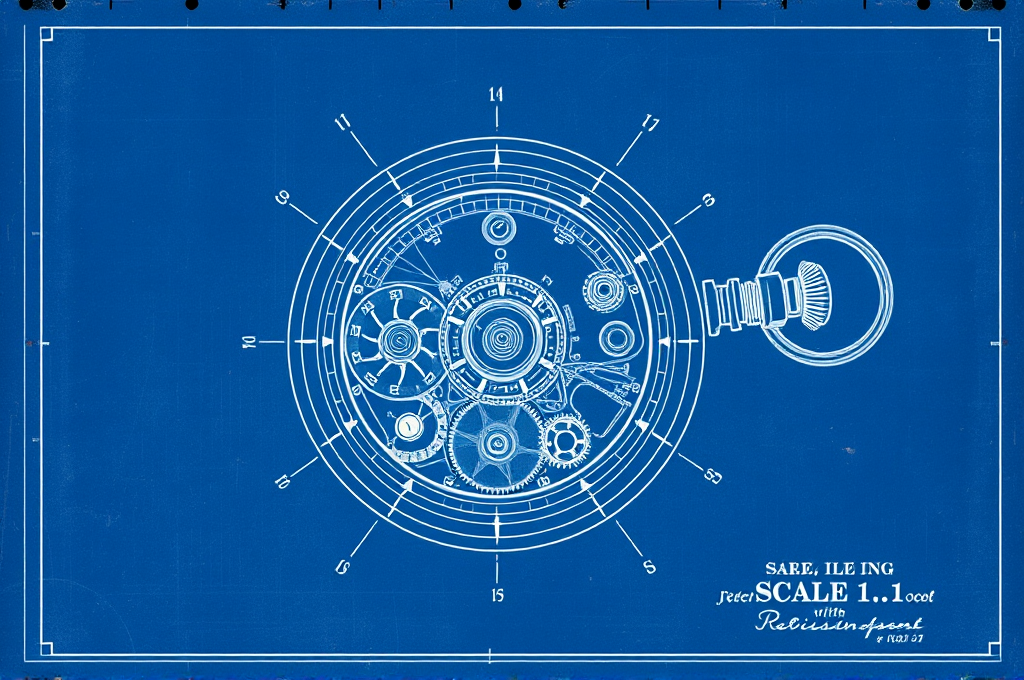
Vintage Blueprint Technical Schematic Design Prompt for Flux
Product designers, patent illustrators, and marketing teams use this prompt to create striking retro-technical visuals for packaging, apparel prints, and editorial layouts. The result is a professional cyanotype-style schematic that lends scientific credibility and nostalgic charm to any product or concept. It's ideal for brands wanting an engineered, heritage look for posters, hero images, or merch. Educators and content creators also use it to produce engaging illustrative diagrams.
Create a highly detailed vintage technical blueprint schematic of [SUBJECT — e.g., a mechanical pocket watch], rendered in the classic cyanotype blueprint style. The entire composition sits on a deep Prussian-blue background with crisp white and pale-cyan line work, mimicking traditional architectural drafting paper with subtle fiber texture and faint aging stains at the corners. Present the subject in orthographic projection with multiple views: a primary front elevation, a side profile, and a detailed exploded assembly diagram showing internal components separated along axis lines. Add precise white dimension lines with arrowheads, leader lines pointing to labeled parts, and measurement callouts in a clean engineering monospace font. Include handwritten-style annotations, part numbers in circles, section-cut indicators, and a lower-right title block containing 'SCALE 1:1', 'SHEET 01 OF 04', a revision table, and a draftsman's signature. Overlay a faint gridded graph-paper texture and light registration marks at the edges. Use consistent thin hairline strokes for construction geometry and bolder strokes for primary outlines, with cross-hatching to indicate cut surfaces and material density. The lighting should be flat and even, with no photographic shadows, preserving the authentic technical-drawing aesthetic. Incorporate subtle ink-bleed imperfections and a slightly uneven vignette to evoke a genuine archived patent document from the early 20th century. Composition should feel balanced, informative, and museum-worthy. Style keywords: cyanotype, patent drawing, engineering schematic, orthographic, draftsmanship, vintage blueprint, technical illustration. Negative prompt: color photography, modern UI, 3D render, gradients, neon, blurry lines, lens flare. Technical params: --ar 4:5 --quality 2 --stylize 250 --raw, resolution 2048x2560, steps 40, guidance scale 7.5, sampler Euler a.
flux
#blueprint#technical illustration
Dani Reyes
art
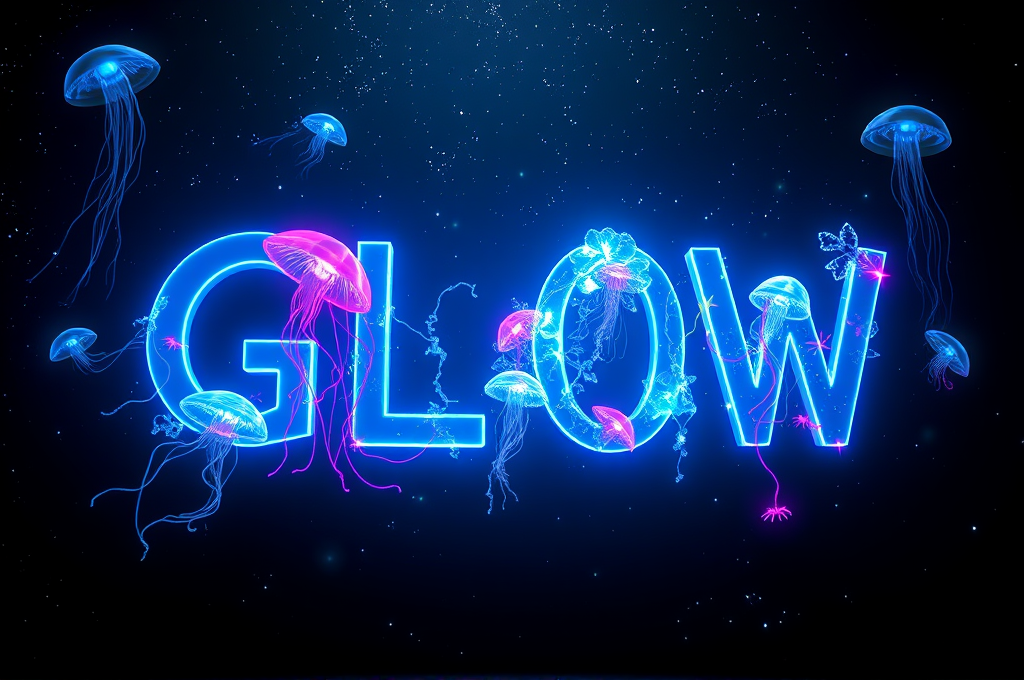
Bioluminescent Deep-Sea Creature Typography for Ideogram
Graphic designers and marine conservation brands use this prompt to create eye-catching poster art, album covers, and event branding with a mysterious oceanic theme. Content creators and aquarium marketers generate scroll-stopping social media visuals that blend science and fantasy. The result is a luminous, legible word rendered from living sea creatures that feels both magical and scientifically inspired. It works perfectly for ocean documentaries, nightclub flyers, and immersive digital art collections.
Create a stunning 3D typography design where each letterform is sculpted entirely from bioluminescent deep-sea creatures and glowing marine organisms. Spell out the word 'GLOW' (or your custom word) using intertwined forms of translucent jellyfish, anglerfish lures, glowing comb jellies, luminous plankton clusters, and ethereal siphonophores. Each letter should pulse with soft cyan, electric blue, teal, and magenta bioluminescence radiating from within the organic structures. The creatures should appear semi-transparent with visible internal glowing nervous systems and light-emitting photophores dotting their surfaces. Set the typography against a pitch-black abyssal ocean background with faint particles of marine snow drifting through the water and subtle volumetric god-rays filtering from far above. Render tiny suspended glowing microorganisms surrounding each letter to create depth and atmosphere. The letterforms should feel alive, delicate, and otherworldly, with trailing tentacles and flowing bioluminescent filaments connecting the letters organically. Add realistic water caustics, soft refraction, and a gentle glow bloom around all emissive elements. Emphasize high contrast between the vivid glowing creatures and the deep darkness. Composition centered, clean negative space, cinematic underwater atmosphere. Style: hyper-detailed, photorealistic 3D render with a touch of fantasy illustration. Technical parameters: aspect ratio 16:9, rendering mode realistic, magic prompt off for precise control, style type general, color palette dark abyssal with neon bioluminescent accents, high detail, octane-render quality lighting, depth of field with soft background bokeh, 8K resolution output. Ensure the text remains clearly legible while maintaining the organic creature-based construction of each glyph.
ideogram
#bioluminescent#typography
Yuna Park
✨art
art
Ethereal Smoke Vapor 3D Typography Art Prompt for Firefly
Brand designers and creative agencies use this prompt to craft moody hero visuals for perfume, spirits, and luxury product campaigns. Editorial art directors apply it for magazine covers and feature spreads needing an ethereal, cinematic headline treatment. Motion and social content creators generate striking still frames that feel premium and mysterious. The result is a legible yet atmospheric word sculpture that reads as both typography and fine-art photography.
Create a dramatic, hyper-realistic 3D typographic artwork where each letter is sculpted entirely from swirling smoke and delicate vapor. Render the word 'DREAM' (or your chosen text) as flowing, three-dimensional letterforms composed of wispy tendrils, soft billowing plumes, and translucent curls of smoke that twist and dissipate at the edges. The smoke should appear to rise and coil organically, with some strands breaking away into fine particles and feathered wisps that catch the light. Use a deep, matte black background to make the luminous vapor glow with striking contrast. Illuminate the smoke with soft volumetric side lighting and subtle rim light, revealing intricate internal density variations, gradients from opaque cores to gossamer transparent edges, and gentle color shifts. Introduce a refined palette of cool silvery whites blended with faint hints of teal and soft amber where light penetrates the vapor, creating depth and atmosphere. Each letter must retain legible structure while feeling weightless, ephemeral, and in motion, as if frozen a split second before drifting apart. Emphasize photorealistic smoke physics: turbulence, layering, backlit translucency, and fine airborne particulates floating in the surrounding space. The overall mood is mysterious, elegant, and cinematic. Compose the text centered with generous negative space, ensuring crisp focus on the smoke detail and a shallow sense of atmospheric haze in the background. Style: ultra-detailed, macro-fine, high dynamic range, dramatic chiaroscuro lighting. Technical parameters: aspect ratio 16:9, content type Art, style strength 80, visual intensity high, resolution 2048x1152, color vividness medium, photorealism enabled, remove any watermarks or extra text artifacts.
firefly
#smoke typography#vapor art
Finn Callahan
art
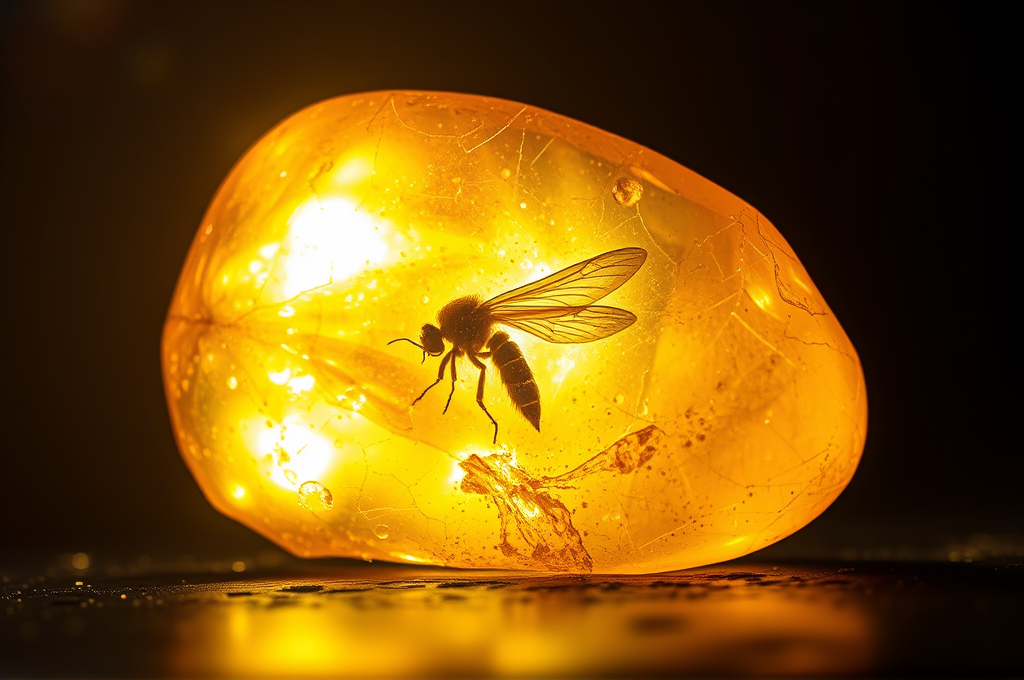
Amber Resin Fossil Inclusion Macro Art Prompt for SD
Natural history illustrators, science communicators, and museum designers use this to create striking educational visuals and exhibit graphics. Jewelry brands and luxury product marketers adapt it for amber-themed campaigns and packaging. Digital artists and stock contributors generate premium macro art for prints and wall decor. The result is a photorealistic, gallery-quality amber specimen image that feels both ancient and precious.
Create an ultra-detailed macro photograph of a polished piece of golden amber resin, backlit so warm honey-colored light glows through its translucent body. Suspended inside the amber, capture a perfectly preserved prehistoric inclusion — a delicate winged insect with gossamer wings, tiny leaf fragments, air bubbles, and fine cracks frozen in time millions of years ago. Render the amber with realistic internal flaws: swirling flow lines, microscopic fissures, trapped pockets of ancient air, and subtle color gradients shifting from deep cognac brown at the edges to luminous pale gold at the center. The light should refract and scatter through the resin, creating soft caustic highlights and a warm ambient glow around the specimen. Composition: extreme close-up with shallow depth of field, the insect in razor-sharp focus while the surrounding amber softly blurs into bokeh. Place the amber on a dark slate surface with faint reflections. Emphasize photorealistic texture — the glossy polished surface, tiny dust particles, and the organic imperfections that make real amber captivating. Use dramatic museum-quality lighting with a single warm key light behind the amber and soft fill from the front. Color palette: honey gold, amber brown, deep sepia, with cool dark background for contrast. Mood should feel ancient, precious, and scientific, like a natural history exhibit photographed for a luxury magazine. Style: hyperrealism, macro photography, scientific illustration crossover. Technical params: --ar 1:1, steps 40, CFG scale 7.5, sampler DPM++ 2M Karras, resolution 1024x1024, denoise 0.6 for img2img refinement, add ControlNet depth for inclusion placement. Negative prompt: blurry, plastic, cartoon, low detail, flat lighting, oversaturated, text, watermark.
stable-diffusion
#amber resin#macro art
Hira Malik