design
Vintage Blueprint Technical Schematic Design Prompt for Flux
Product designers, patent illustrators, and marketing teams use this prompt to create striking retro-technical visuals for packaging, apparel prints, and editorial layouts. The result is a professional cyanotype-style schematic that lends scientific credibility and nostalgic charm to any product or concept. It's ideal for brands wanting an engineered, heritage look for posters, hero images, or merch. Educators and content creators also use it to produce engaging illustrative diagrams.
Output Sample
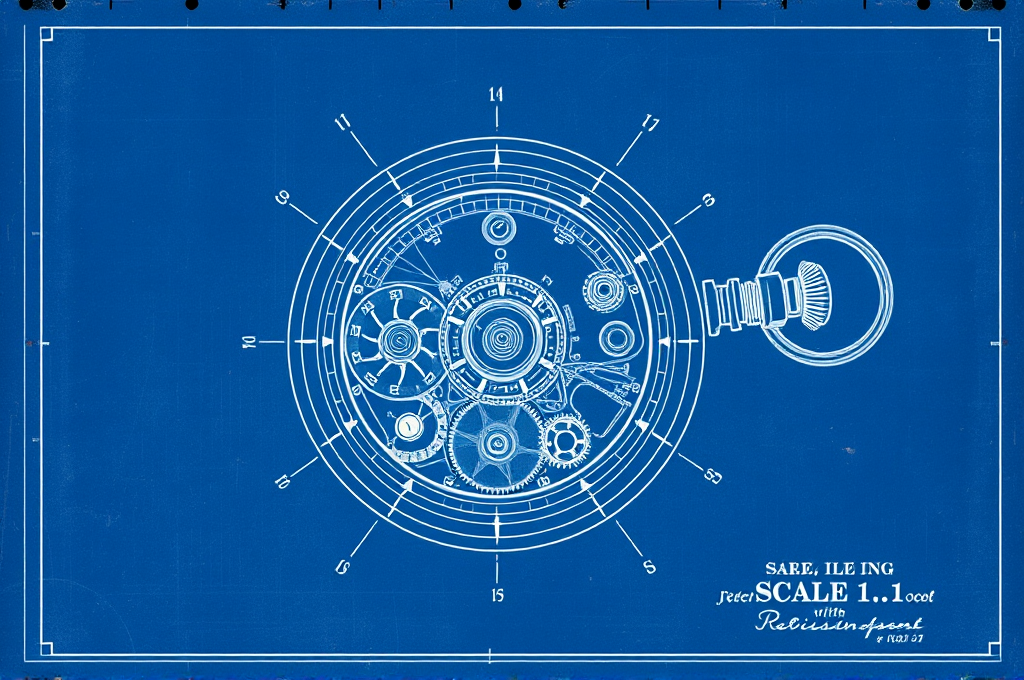
The Prompt
Create a highly detailed vintage technical blueprint schematic of [SUBJECT — e.g., a mechanical pocket watch], rendered in the classic cyanotype blueprint style. The entire composition sits on a deep Prussian-blue background with crisp white and pale-cyan line work, mimicking traditional architectural drafting paper with subtle fiber texture and faint aging stains at the corners. Present the subject in orthographic projection with multiple views: a primary front elevation, a side profile, and a detailed exploded assembly diagram showing internal components separated along axis lines. Add precise white dimension lines with arrowheads, leader lines pointing to labeled parts, and measurement callouts in a clean engineering monospace font. Include handwritten-style annotations, part numbers in circles, section-cut indicators, and a lower-right title block containing 'SCALE 1:1', 'SHEET 01 OF 04', a revision table, and a draftsman's signature. Overlay a faint gridded graph-paper texture and light registration marks at the edges. Use consistent thin hairline strokes for construction geometry and bolder strokes for primary outlines, with cross-hatching to indicate cut surfaces and material density. The lighting should be flat and even, with no photographic shadows, preserving the authentic technical-drawing aesthetic. Incorporate subtle ink-bleed imperfections and a slightly uneven vignette to evoke a genuine archived patent document from the early 20th century. Composition should feel balanced, informative, and museum-worthy. Style keywords: cyanotype, patent drawing, engineering schematic, orthographic, draftsmanship, vintage blueprint, technical illustration. Negative prompt: color photography, modern UI, 3D render, gradients, neon, blurry lines, lens flare. Technical params: --ar 4:5 --quality 2 --stylize 250 --raw, resolution 2048x2560, steps 40, guidance scale 7.5, sampler Euler a.
How to use
- Copy the prompt above using the copy button
- Replace any [bracketed placeholders] with your details
- Paste into flux
- Adjust and iterate based on the result
Shared by
Dani Reyes
Non-binary illustrator from São Paulo. AI tools help me experiment with styles I wouldn't have the time to explore manually.
Works With
flux
Details
Categorydesign
AddedOct 19, 2026
Shared by
Dani Reyes
Non-binary illustrator from São Paulo. AI tools help me experiment with styles I wouldn't have the time to explore manually.
Ready to use this?
Copy and paste directly into your AI tool.
Community Reviews
You might also like
Design
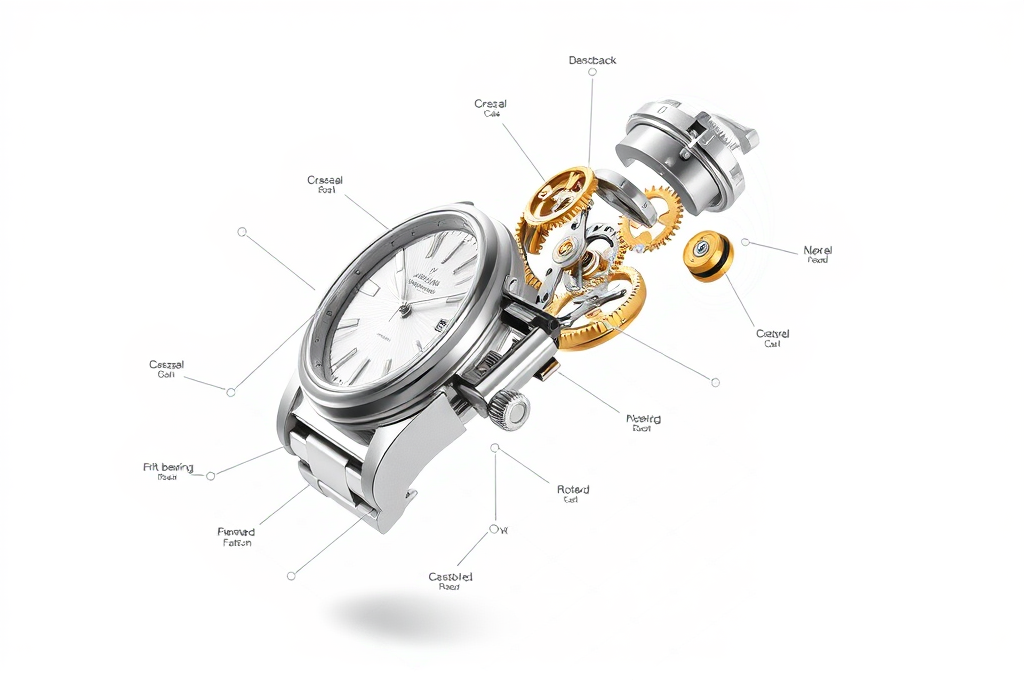
Exploded View Technical Product Diagram Prompt for DALL-E
Product designers, marketing teams, and technical illustrators use this prompt to generate polished exploded-view visuals for pitch decks, spec sheets, crowdfunding pages, and e-commerce listings. It produces a professional engineering-catalog aesthetic without needing CAD software or a photographer. Startups showcasing hardware and educators explaining how devices work get clear, annotated component breakdowns in seconds. The result communicates craftsmanship and complexity while looking premium and trustworthy.
Create a hyper-detailed exploded-view technical diagram of a [PRODUCT — e.g. vintage mechanical wristwatch], with every internal and external component separated and suspended in mid-air along a single clean diagonal axis, as if disassembled and frozen in space. Arrange the parts in precise sequential order following the true assembly path, maintaining perfect alignment so the eye traces how each piece fits into the next. Render each component — the case, bezel, crystal, dial, gears, mainspring, rotor, crown, and caseback — with photoreal material accuracy: brushed stainless steel, polished brass gears, ruby jewel bearings, and matte engraved surfaces. Use thin dotted guide lines connecting each separated part back to its assembly position. Add slim leader lines and minimalist sans-serif annotation labels (part names and numbers) floating in clean margins, styled like a premium engineering blueprint or patent illustration. Lighting should be bright, even studio light with soft shadows beneath each floating part to reinforce depth. Background is a seamless off-white or pale blueprint-gradient surface with subtle grid lines. Composition should feel balanced, airy, and instantly readable, with generous negative space around the labels. Prioritize crisp edges, accurate proportions, and a sense of scientific precision blended with modern product-marketing polish. The overall aesthetic should look like a luxury catalog cutaway meets a technical patent drawing. Technical params: aspect ratio 3:2, ultra-high resolution, sharp focus edge-to-edge, isometric-leaning three-quarter camera angle, soft ambient occlusion shadows, neutral color grading, DALL-E 3 high-detail rendering, no motion blur, clean vector-like linework for callouts.
dall-e
#exploded view#technical diagram
Maya Chen

art
Cyanotype Surreal Portrait Art Prompt for Leonardo AI
Fine-art photographers, gallery illustrators, and album-cover designers use this prompt to produce museum-quality surreal portraits with an antique alternative-photography feel. Editorial designers apply it for magazine features and poetry book covers that need an ethereal, contemplative tone. Print-on-demand artists sell these as limited-edition wall art due to their timeless monochrome elegance. The result is a striking, emotionally resonant blue-toned portrait that reads as both vintage artifact and modern fine art.
Create a hauntingly beautiful cyanotype-inspired surreal portrait rendered in the classic Prussian blue and white photographic printing tradition. Depict a serene human face in three-quarter profile, eyes half-closed in quiet contemplation, emerging from a wash of deep indigo tones. Overlay delicate botanical silhouettes—ferns, dried flowers, and skeletal leaves—pressed directly onto the subject's skin as if part of an antique sun-print exposure. The image should feel like a photogram: high-contrast white highlights against rich cyan-blue shadows, with soft chemical bleeding at the edges and subtle paper-grain texture throughout. Incorporate surreal elements such as constellations mapped across the cheekbones, translucent moth wings blending into the hair, and faint handwritten botanical annotations in fading ink. Lighting should mimic direct sunlight exposure, creating luminous rim highlights and dramatic tonal separation. Add authentic imperfections: uneven coating brush strokes, slight vignetting, foxing spots, and the delicate fibrous texture of watercolor paper. The overall mood is meditative, dreamlike, and timeless—part scientific specimen, part romantic memory. Balance negative space with intricate detail so the eye rests on the subject before discovering hidden layers. Style keywords: cyanotype, sun-print, photogram, alternative photography, monochrome blue, surreal botanical, vintage scientific illustration, ethereal. Technical parameters: Model — Leonardo Phoenix or Leonardo Diffusion XL; Aspect ratio 3:4 (portrait); Guidance scale 7; Steps 45; Contrast: High; Alchemy: ON; PhotoReal: OFF; Prompt Magic v3 with Strength Medium. Negative prompt: color saturation, warm tones, red, green, orange, low contrast, blurry, oversharpened, cartoon, text watermark, extra limbs, distorted anatomy. Seed: randomize for variation, lock for consistent series.
leonardo
#cyanotype#surreal portrait
Randeep Bhusal
art
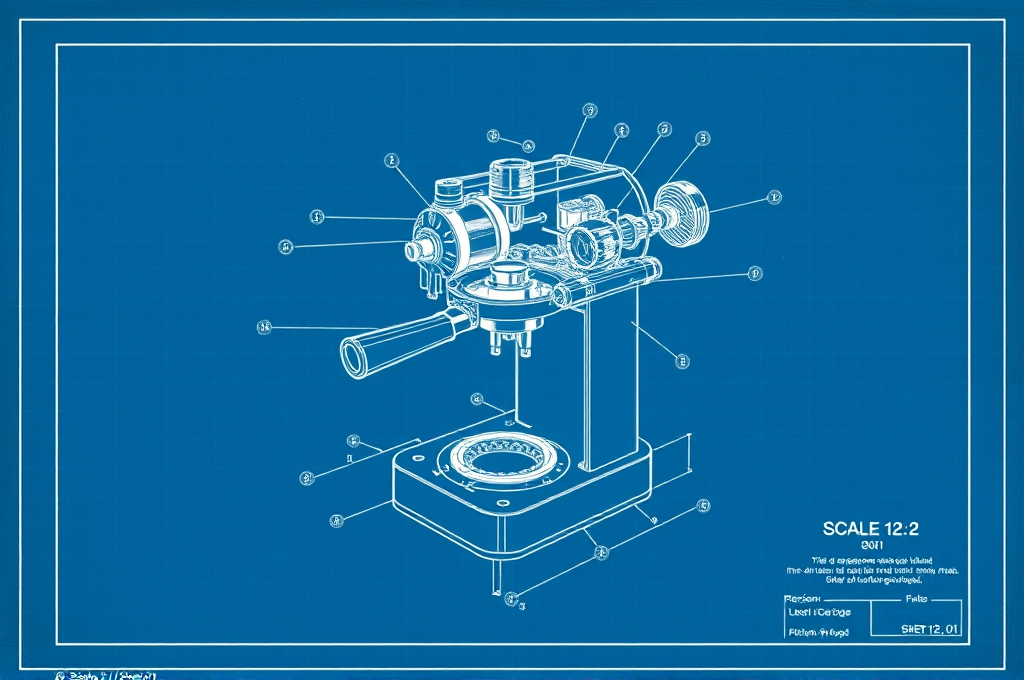
Blueprint Schematic Art Prompt for Ideogram Diagrams
Designers, engineers, and content creators use this prompt to generate patent-style blueprint art for posters, product marketing, tech blogs, and educational materials. Ideogram's strong text rendering makes it ideal for legible annotations, part labels, and title blocks that other models struggle with. The result is a professional, print-ready schematic that works as wall art, packaging graphics, or explainer visuals. Perfect for makers who want a nostalgic drafting-table look with modern polish.
Create a highly detailed technical blueprint schematic illustration of [SUBJECT — e.g., a vintage espresso machine], rendered as an authentic engineering drawing on a deep cyan-blue drafting background. Depict the object in crisp white and pale-blue line work with precise vector-style contours, showing an exploded-view breakdown where individual components float apart to reveal internal mechanisms. Include multiple orthographic projections: a front elevation, a side profile, and a top-down plan view arranged in a clean grid layout. Add fine measurement lines, dimension arrows, callout leader lines, and circled reference numbers pointing to labeled parts. Incorporate handwritten-style engineering annotations, technical typography, and small legends in the margins reading realistic component names, tolerances, and part codes. Render a title block in the bottom-right corner with fields for 'DRAWN BY', 'SCALE 1:2', 'SHEET 01', and a revision table. Use faint grid graph-paper texture across the entire canvas for authenticity. Maintain a monochromatic blueprint palette — cyan, navy, and white — with subtle aged-paper vignetting at the edges for a printed drafting-table feel. Keep line weights varied: bold outlines for silhouettes, thin lines for hidden edges (dashed), and hairlines for hatching and cross-sections. Emphasize symmetry, mechanical precision, and drafting accuracy so the piece reads as a genuine patent illustration. Balance negative space so annotations remain legible and uncluttered. Style: technical illustration, patent drawing, isometric exploded diagram, architectural blueprint aesthetic. Text should render cleanly and sharply. Aspect ratio 4:3, high resolution, sharp vector-like clarity, professional drafting quality. --style raw, magic prompt off, rendering high quality.
ideogram
#blueprint#technical schematic
Yuna Park
🎨design
Design
Candied Citrus Jelly Gummy Typography Prompt for Ideogram
Food brands, dessert shops, and beverage marketers use this prompt to create mouthwatering hero graphics for packaging, menus, and social campaigns. Graphic designers generate eye-catching titles for summer promotions, juice launches, or candy product reveals. The glossy, translucent result grabs attention in feeds and conveys freshness instantly. It works equally well for playful event posters and premium editorial food features.
Create a bold, high-impact typography design where every letter is sculpted from translucent candied citrus and gummy jelly. Render the word "[YOUR TEXT HERE]" so that each glyph is formed from backlit orange, lemon, lime, and blood-orange slices fused with glossy fruit jelly, visible sugar crystals coating every edge. The letterforms should be plump, rounded, and three-dimensional, as if each character is a soft gummy candy you could bite into. Emphasize internal translucency: light passes through the jelly, revealing fibrous citrus pulp, tiny seeds, and radiating segment membranes glowing like stained glass. Dust the surfaces with fine granulated sugar that catches highlights, and add a few glistening wet droplets for a fresh, juicy feel. Use a confident, chunky sans-serif or soft bubble-letter structure so the fruit texture reads clearly at a glance. Scatter a handful of whole candied fruit slices, mint leaves, and loose sugar crystals around the baseline for garnish, but keep them subtle so the text stays dominant. Lighting should be bright, warm, and directional with strong backlighting to maximize the translucent glow, plus crisp specular highlights on the glossy jelly surfaces. Background: a clean, soft gradient of pastel cream to peach, slightly out of focus, letting the vivid citrus colors pop. Mood is playful, appetizing, vibrant, and premium. Technical parameters: aspect ratio 16:9, rendering style photorealistic macro food photography, ultra-detailed textures, shallow depth of field, color saturation high, magic prompt off for precise text accuracy. Ensure spelling is exact, letters evenly spaced, kerning balanced, and the composition centered with generous negative space.
ideogram
#citrus typography#gummy candy text
Chloe Hartmann