#Blueprint
2 prompts
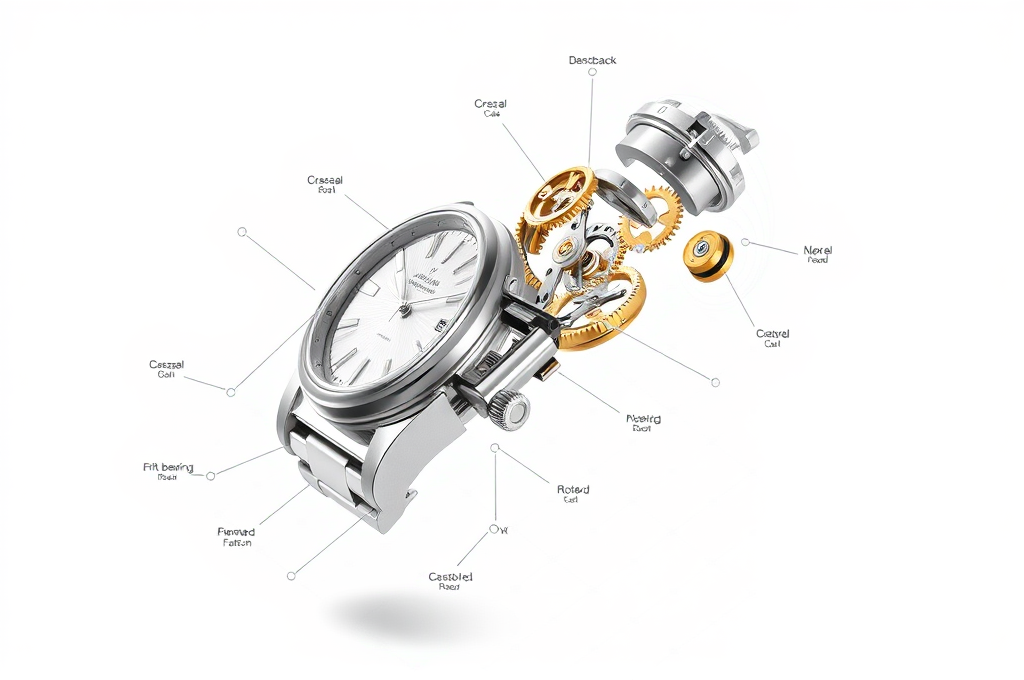
Exploded View Technical Product Diagram Prompt for DALL-E
Product designers, marketing teams, and technical illustrators use this prompt to generate polished exploded-view visuals for pitch decks, spec sheets, crowdfunding pages, and e-commerce listings. It produces a professional engineering-catalog aesthetic without needing CAD software or a photographer. Startups showcasing hardware and educators explaining how devices work get clear, annotated component breakdowns in seconds. The result communicates craftsmanship and complexity while looking premium and trustworthy.
Create a hyper-detailed exploded-view technical diagram of a [PRODUCT — e.g. vintage mechanical wristwatch], with every internal and external component separated and suspended in mid-air along a single clean diagonal axis, as if disassembled and frozen in space. Arrange the parts in precise sequential order following the true assembly path, maintaining perfect alignment so the eye traces how each piece fits into the next. Render each component — the case, bezel, crystal, dial, gears, mainspring, rotor, crown, and caseback — with photoreal material accuracy: brushed stainless steel, polished brass gears, ruby jewel bearings, and matte engraved surfaces. Use thin dotted guide lines connecting each separated part back to its assembly position. Add slim leader lines and minimalist sans-serif annotation labels (part names and numbers) floating in clean margins, styled like a premium engineering blueprint or patent illustration. Lighting should be bright, even studio light with soft shadows beneath each floating part to reinforce depth. Background is a seamless off-white or pale blueprint-gradient surface with subtle grid lines. Composition should feel balanced, airy, and instantly readable, with generous negative space around the labels. Prioritize crisp edges, accurate proportions, and a sense of scientific precision blended with modern product-marketing polish. The overall aesthetic should look like a luxury catalog cutaway meets a technical patent drawing. Technical params: aspect ratio 3:2, ultra-high resolution, sharp focus edge-to-edge, isometric-leaning three-quarter camera angle, soft ambient occlusion shadows, neutral color grading, DALL-E 3 high-detail rendering, no motion blur, clean vector-like linework for callouts.
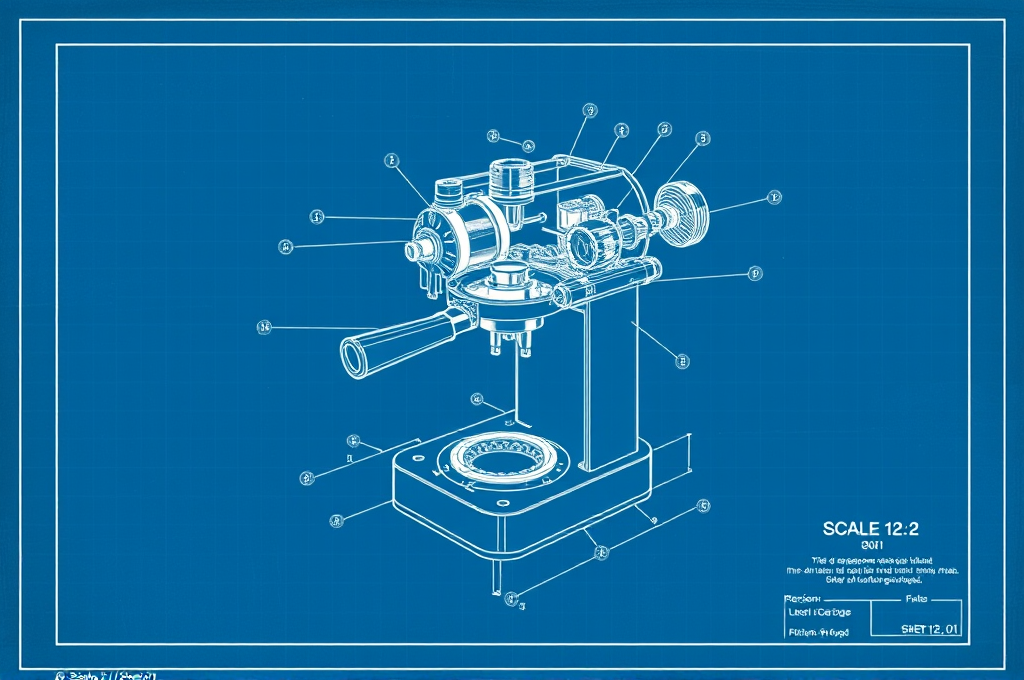
Blueprint Schematic Art Prompt for Ideogram Diagrams
Designers, engineers, and content creators use this prompt to generate patent-style blueprint art for posters, product marketing, tech blogs, and educational materials. Ideogram's strong text rendering makes it ideal for legible annotations, part labels, and title blocks that other models struggle with. The result is a professional, print-ready schematic that works as wall art, packaging graphics, or explainer visuals. Perfect for makers who want a nostalgic drafting-table look with modern polish.
Create a highly detailed technical blueprint schematic illustration of [SUBJECT — e.g., a vintage espresso machine], rendered as an authentic engineering drawing on a deep cyan-blue drafting background. Depict the object in crisp white and pale-blue line work with precise vector-style contours, showing an exploded-view breakdown where individual components float apart to reveal internal mechanisms. Include multiple orthographic projections: a front elevation, a side profile, and a top-down plan view arranged in a clean grid layout. Add fine measurement lines, dimension arrows, callout leader lines, and circled reference numbers pointing to labeled parts. Incorporate handwritten-style engineering annotations, technical typography, and small legends in the margins reading realistic component names, tolerances, and part codes. Render a title block in the bottom-right corner with fields for 'DRAWN BY', 'SCALE 1:2', 'SHEET 01', and a revision table. Use faint grid graph-paper texture across the entire canvas for authenticity. Maintain a monochromatic blueprint palette — cyan, navy, and white — with subtle aged-paper vignetting at the edges for a printed drafting-table feel. Keep line weights varied: bold outlines for silhouettes, thin lines for hidden edges (dashed), and hairlines for hatching and cross-sections. Emphasize symmetry, mechanical precision, and drafting accuracy so the piece reads as a genuine patent illustration. Balance negative space so annotations remain legible and uncluttered. Style: technical illustration, patent drawing, isometric exploded diagram, architectural blueprint aesthetic. Text should render cleanly and sharply. Aspect ratio 4:3, high resolution, sharp vector-like clarity, professional drafting quality. --style raw, magic prompt off, rendering high quality.